Creating a small Japanese garden can bring a touch of tranquility and beauty to any space, no matter its size. These gardens perfectly blend nature and design, using elements like rocks, water features, and plants to create serene spots that invite relaxation. Whether you want to incorporate a koi pond, a zen rock garden, or simple bamboo accents, there are plenty of ideas to help you craft your own peaceful retreat.
Miniature Water Features
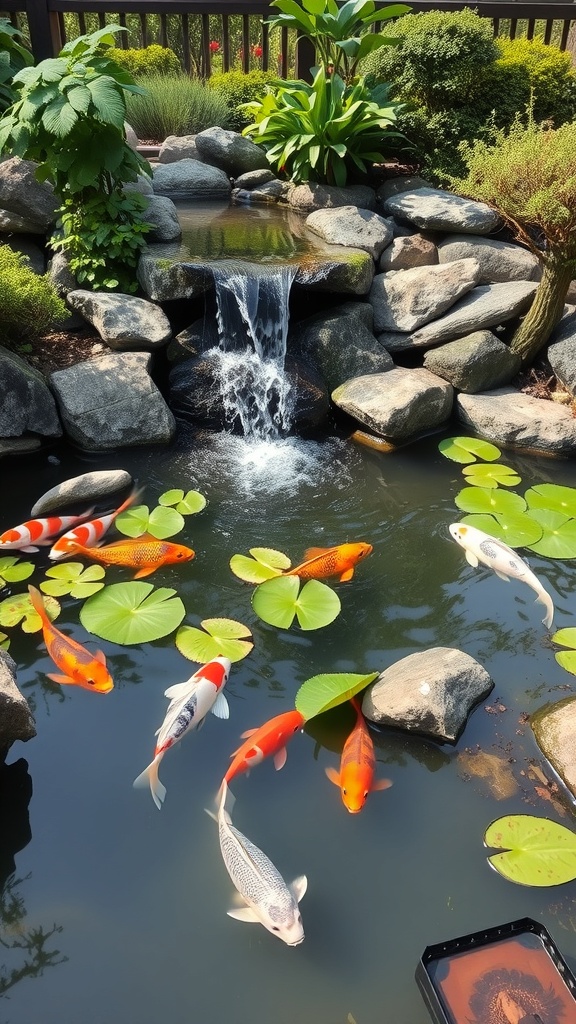
Miniature water features can bring a touch of tranquility to your small Japanese garden. The image shows a lovely pond with a gentle waterfall, surrounded by smooth rocks and vibrant greenery. This setup creates a serene atmosphere, perfect for relaxation.
The koi fish swimming gracefully in the water add a splash of color and life. They are not just beautiful; they also symbolize good fortune in Japanese culture. Adding fish to your water feature can make it feel more dynamic and engaging.
Water lilies floating on the surface provide a natural beauty that complements the rocks and plants. These flowers are easy to care for and can thrive in smaller ponds. They also help keep the water clean by providing shade and reducing algae growth.
Creating a miniature water feature doesn’t have to be complicated. You can start with a small pond kit or even a decorative bowl. Just make sure to include some plants and perhaps a small fountain to keep the water moving. This will help create a peaceful retreat right in your backyard.
Koi Ponds in Limited Spaces
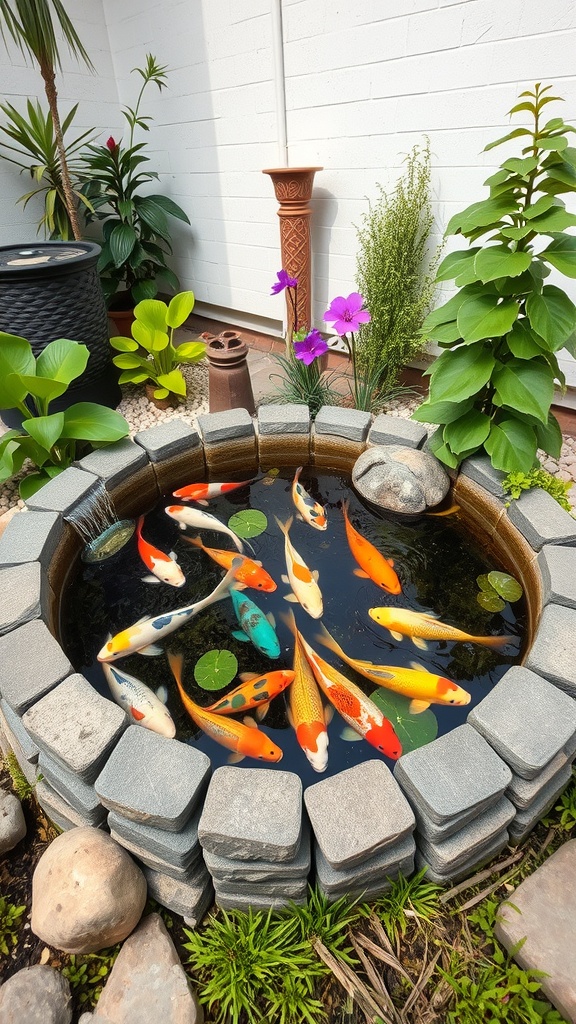
Koi ponds can be a stunning addition to small Japanese gardens, even when space is tight. The image shows a charming little pond filled with colorful koi fish, surrounded by lush greenery and decorative elements. This setup proves that you don’t need a large yard to enjoy the beauty of a koi pond.
The round stone border gives the pond a neat and tidy look. It’s a great way to create a focal point in a small area. The vibrant koi swim gracefully, adding life and movement to the garden. Their bright colors contrast beautifully with the dark water, making them stand out.
Incorporating plants around the pond enhances the natural feel. The greenery not only provides shade but also creates a serene environment. Adding a few decorative pieces, like the small pot and flowers, can personalize the space and make it feel inviting.
Even in limited spaces, a koi pond can bring tranquility and joy. It’s a perfect spot for relaxation or simply enjoying nature. With a little creativity, anyone can create a peaceful retreat right in their backyard.
Zen Rock Gardens
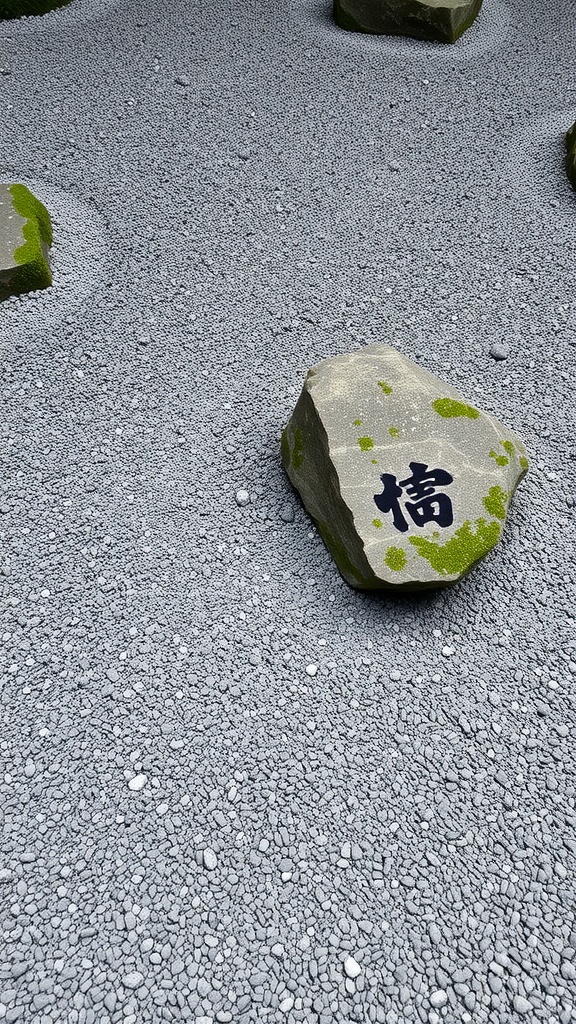
Zen rock gardens, or karesansui, offer a peaceful retreat right in your backyard. The image shows a serene arrangement of smooth stones scattered across fine gravel. This simple yet effective design creates a calming atmosphere, perfect for reflection and meditation.
The rocks symbolize mountains or islands, while the gravel represents water. Raking the gravel into patterns can be a meditative practice, allowing you to focus your mind and find tranquility. You can easily create your own mini rock garden by choosing a few stones and some gravel.
Adding moss or small plants can enhance the natural feel. The beauty of a Zen rock garden lies in its simplicity and the way it encourages mindfulness. It’s a great way to bring a touch of Japanese culture into your outdoor space.
Stone Lanterns and Pathways
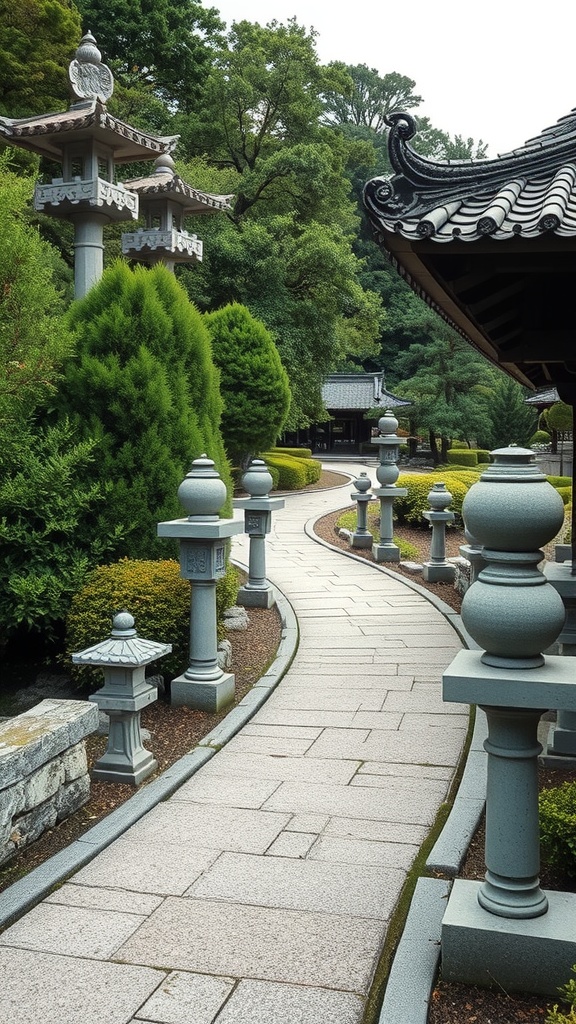
Stone lanterns and winding pathways are key elements in a small Japanese garden. They create a serene atmosphere and guide visitors through the space. The image shows a beautifully designed path that curves gently, inviting exploration.
Each stone lantern adds a unique touch, casting soft light in the evening. They are not just decorative; they symbolize peace and tranquility. Placing them along the pathway enhances the garden’s charm.
The pathway itself is made of smooth stones, making it easy to walk on. It leads through lush greenery, connecting different areas of the garden. This design encourages a leisurely stroll, allowing you to appreciate the beauty around you.
Incorporating stone lanterns and pathways in your garden can create a peaceful retreat. They offer a wonderful way to enjoy nature while adding a touch of Japanese culture to your outdoor space.
Moss Gardens
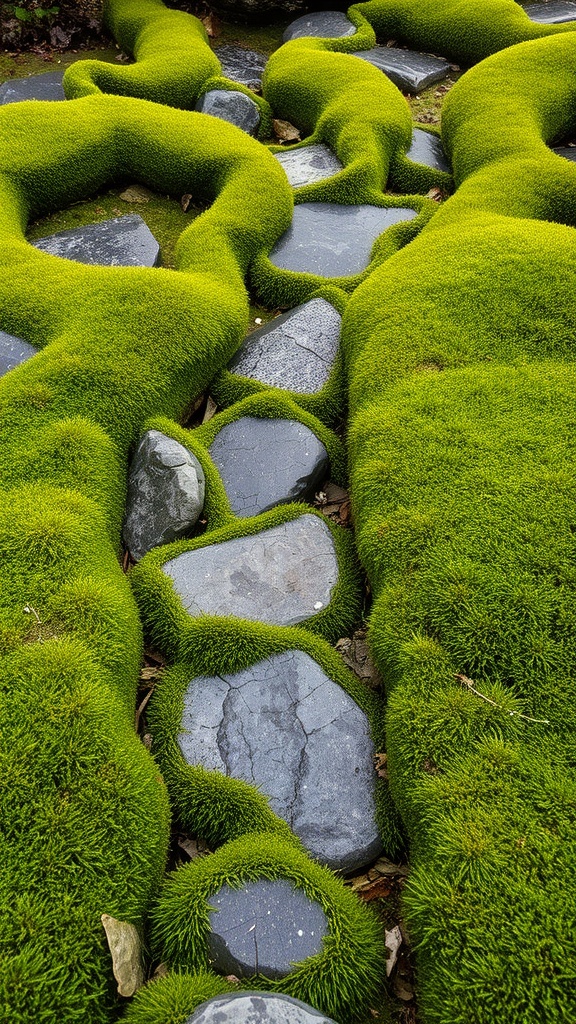
Moss gardens bring a unique charm to small Japanese gardens. The vibrant green moss creates a soft, inviting look that feels peaceful and serene. In the image, you can see how the moss flows around the stones, creating a natural path. This design not only looks beautiful but also encourages a sense of tranquility.
The combination of moss and stones is perfect for those who want a low-maintenance garden. Moss thrives in shady areas and requires little care. It can spread easily, filling in gaps and softening hard surfaces. This makes it an ideal choice for small spaces where you want to create a lush, green environment.
Incorporating moss into your garden design can also enhance the overall aesthetic. The contrast between the dark stones and the bright green moss creates a striking visual effect. You can arrange the stones in various patterns, allowing for creativity in your layout. This flexibility means you can tailor your garden to fit your personal style.
Consider adding small accents like lanterns or water features to complement the moss. These elements can enhance the peaceful vibe of your garden. Overall, moss gardens are a delightful way to bring a touch of nature into your home.
Bonsai Tree Arrangements
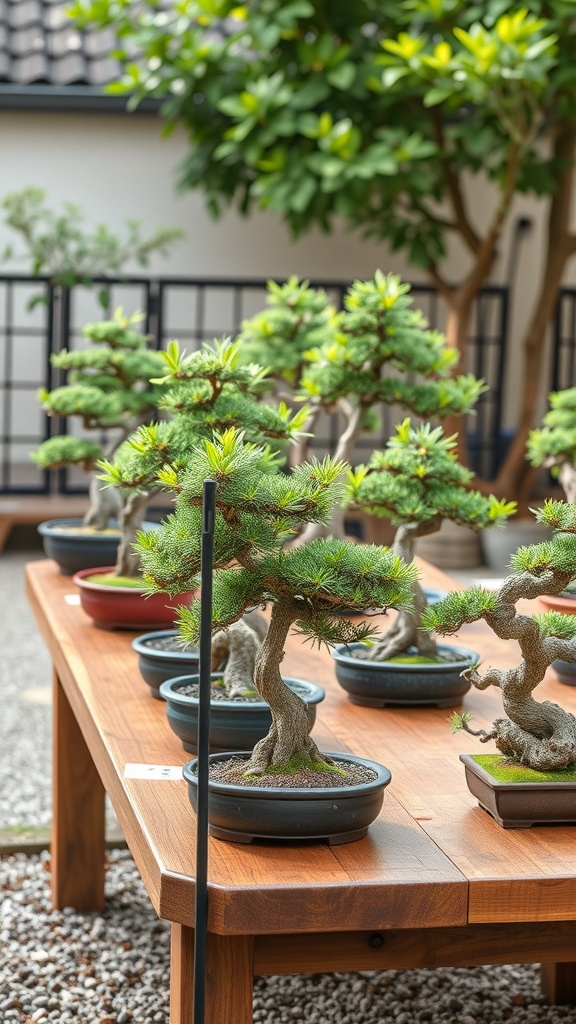
Bonsai trees are a beautiful addition to any small Japanese garden. These miniature trees represent nature in a compact form, making them perfect for limited spaces. In the image, you can see a variety of bonsai trees displayed on a wooden table, showcasing their unique shapes and textures.
The arrangement of these bonsai trees is key to creating an inviting atmosphere. Each tree has its own pot, which adds to the overall aesthetic. The different heights and styles of the trees create visual interest. You might notice some trees are more bushy, while others have a more twisted trunk, highlighting the diversity within bonsai art.
When planning your bonsai arrangements, think about grouping trees with similar styles or colors. This can create a harmonious look. You can also mix different species to add variety. Remember, the goal is to mimic nature, so consider how trees grow in the wild.
Maintaining bonsai trees requires care and attention. Regular pruning helps keep their shape and encourages growth. Make sure to choose the right pots and soil for each type of tree. With the right care, your bonsai can thrive and bring joy to your garden for years to come.
Japanese Maple Trees
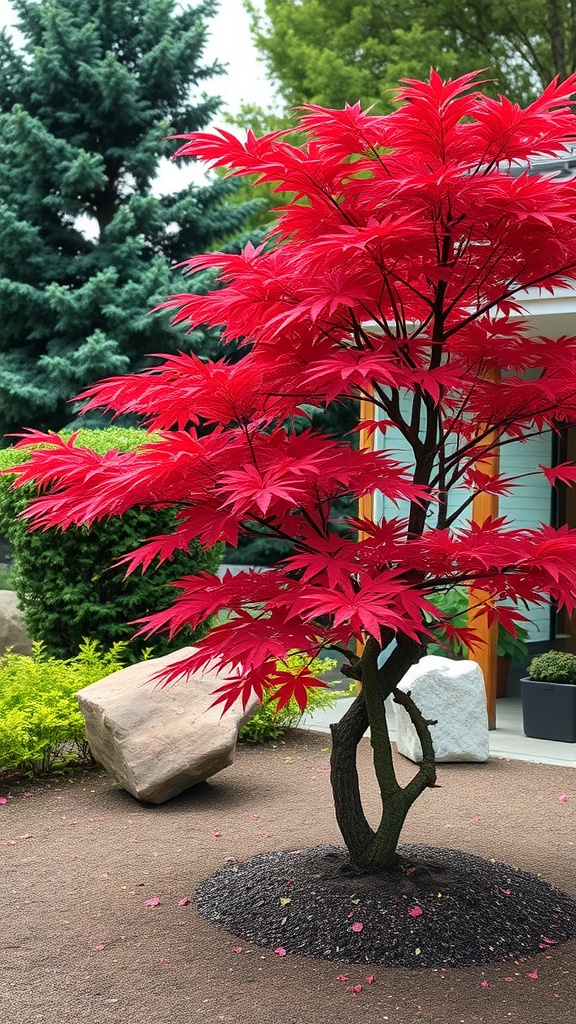
Japanese maple trees are a stunning addition to any garden. Their vibrant red leaves create a striking contrast against the greenery around them. These trees are known for their delicate branches and beautiful foliage, making them a favorite in small Japanese gardens.
In the image, you can see a gorgeous Japanese maple, its bright red leaves catching the eye. The tree stands proudly among other plants and stones, adding a touch of elegance to the space. The rich color of the leaves can brighten up any corner of your garden.
These trees thrive in well-drained soil and prefer partial shade. They can be a perfect focal point in a small garden, drawing attention and admiration. With their unique shapes and colors, Japanese maples can transform your outdoor space into a serene retreat.
Tea Ceremony Areas
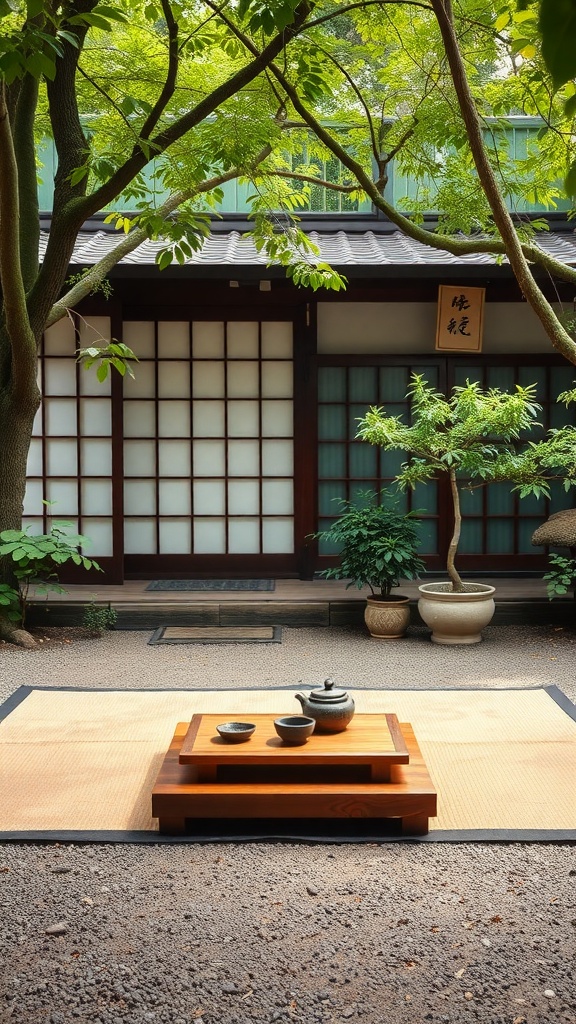
Creating a tea ceremony area in your small Japanese garden can be a delightful way to enjoy nature and tranquility. The image shows a serene space with a simple wooden table set for tea, surrounded by lush greenery. This setup invites relaxation and mindfulness.
The use of natural materials, like wood and stone, enhances the connection to the outdoors. A tatami mat adds comfort and authenticity, making it a perfect spot for intimate gatherings or quiet reflection. You can easily replicate this by choosing a small table and some comfortable seating.
Incorporating plants around the area adds life and color. Consider using potted plants or small trees to create a cozy atmosphere. The gentle sounds of nature, combined with the art of tea preparation, can turn this space into a personal retreat.
Remember, the goal is to create a peaceful environment. Keep the design simple and let the natural beauty shine through. A tea ceremony area can be a wonderful addition to your garden, offering a place to unwind and connect with nature.
Zen Sand Gardens

Zen sand gardens, or karesansui, are a beautiful way to bring tranquility into your space. The image shows a serene arrangement with smooth, raked sand and carefully placed stones. This setup invites calmness and reflection.
The soft curves in the sand create a soothing pattern, mimicking the flow of water. The rocks add a natural element, grounding the design. A few minimalist accessories, like the vases, enhance the aesthetic without overwhelming it.
Creating your own zen sand garden can be simple. Start with a shallow container filled with sand. Use a rake to form patterns, and add stones or plants for interest. This small project can transform any corner into a peaceful retreat.
Sculptural Elements
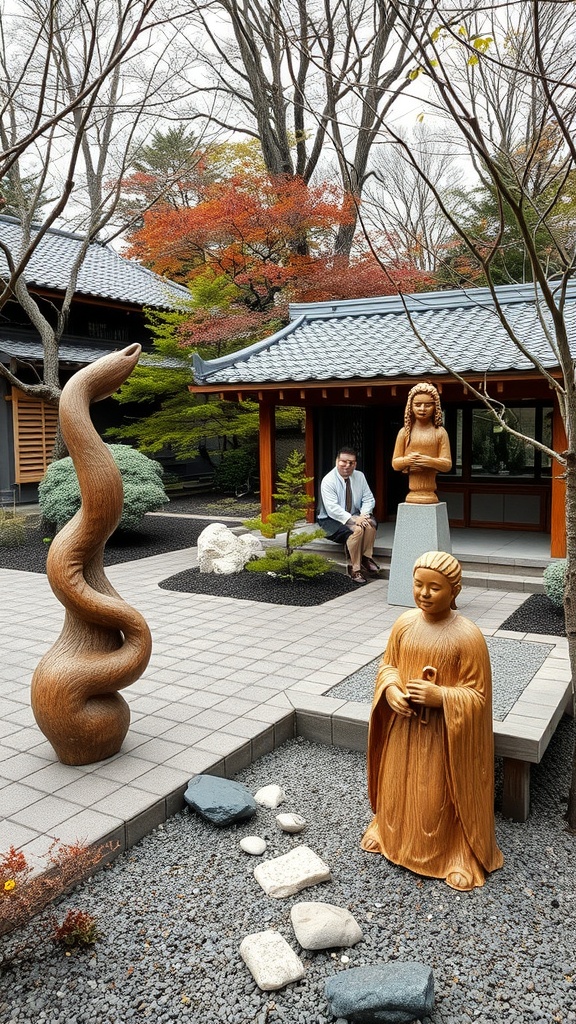
In a small Japanese garden, sculptural elements can add a unique touch. The image showcases a beautiful arrangement of sculptures that blend seamlessly with nature. The tall, twisting figure on the left captures attention with its dynamic shape, creating a sense of movement.
On the right, a serene statue of a woman stands gracefully, inviting contemplation. Her calm presence adds a peaceful vibe to the garden. These sculptures not only enhance the visual appeal but also tell a story, making the space feel more personal.
Incorporating such elements can transform a simple garden into a thoughtful retreat. Whether you choose traditional or modern sculptures, they can serve as focal points, drawing the eye and sparking conversation.
Garden Benches and Seating
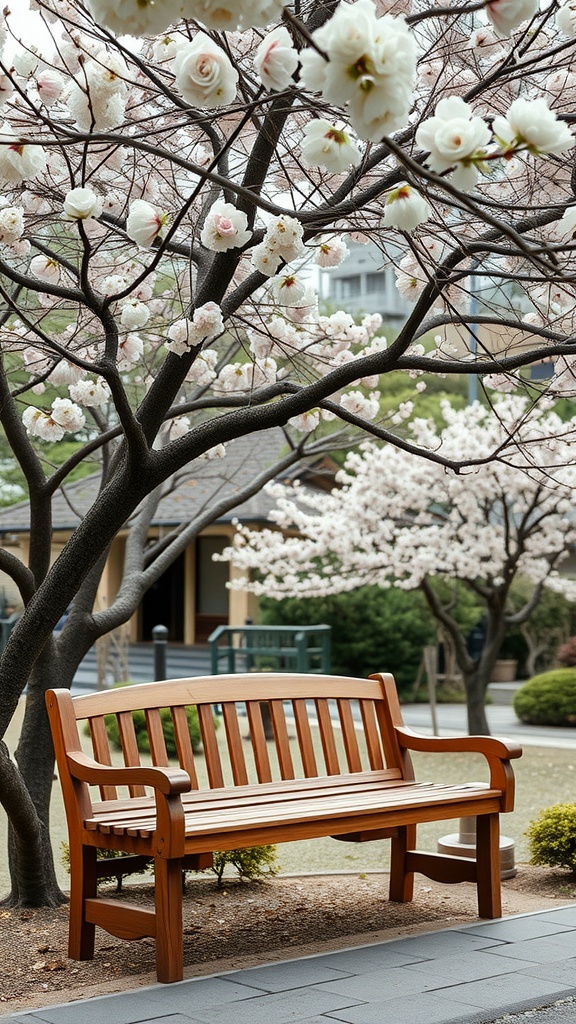
In a small Japanese garden, seating plays a key role in creating a peaceful retreat. A well-placed bench invites you to sit and enjoy the surroundings. The image shows a beautiful wooden bench nestled under a flowering tree, making it an ideal spot to relax.
The bench’s natural wood complements the garden’s serene vibe. It’s sturdy yet inviting, perfect for enjoying a cup of tea or simply soaking in the beauty of nature. The flowering branches above add a touch of elegance and tranquility, enhancing the overall experience.
When choosing seating for your garden, consider materials that blend with the environment. Wood is a classic choice, but stone or metal can also work well. Think about the view from your seat; positioning it near blooming plants or a water feature can make your garden feel even more special.
Traditional Fences and Gates
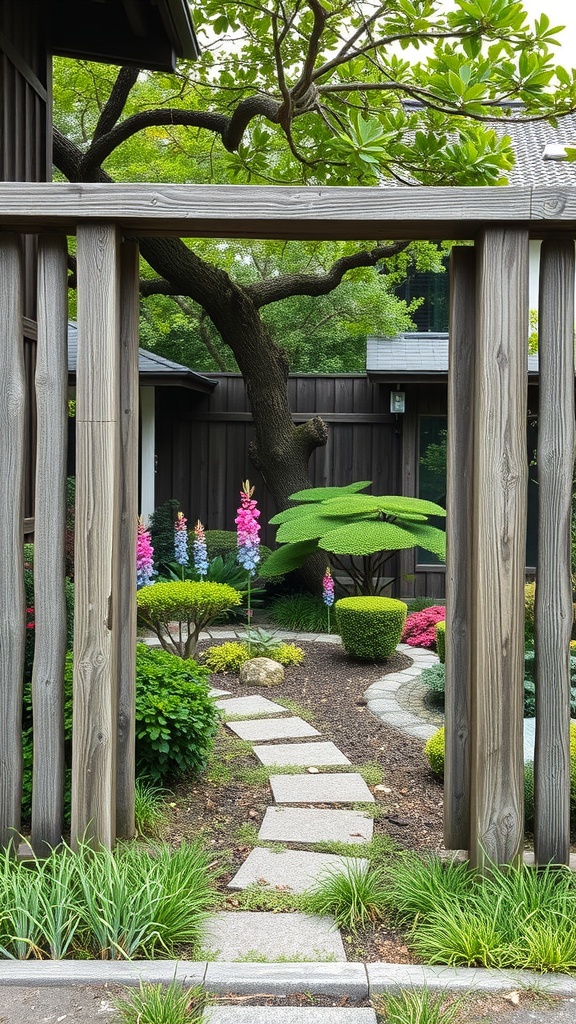
When thinking about small Japanese gardens, traditional fences and gates play a key role. They create a sense of privacy and define the space beautifully. The image shows a wooden gate that invites you into a serene garden. The tall, vertical slats give a rustic feel while allowing glimpses of the vibrant greenery inside.
These fences often use natural materials, blending seamlessly with the landscape. The wooden texture complements the lush plants and flowers, enhancing the overall aesthetic. The gate’s design is simple yet elegant, embodying the minimalist approach often found in Japanese gardens.
As you step through the gate, you are greeted by a carefully arranged path of stones leading deeper into the garden. This layout encourages a slow, mindful stroll, allowing you to appreciate the beauty of nature. Incorporating such traditional elements can transform any small garden into a peaceful retreat.
Gravel and Pebble Ground Cover
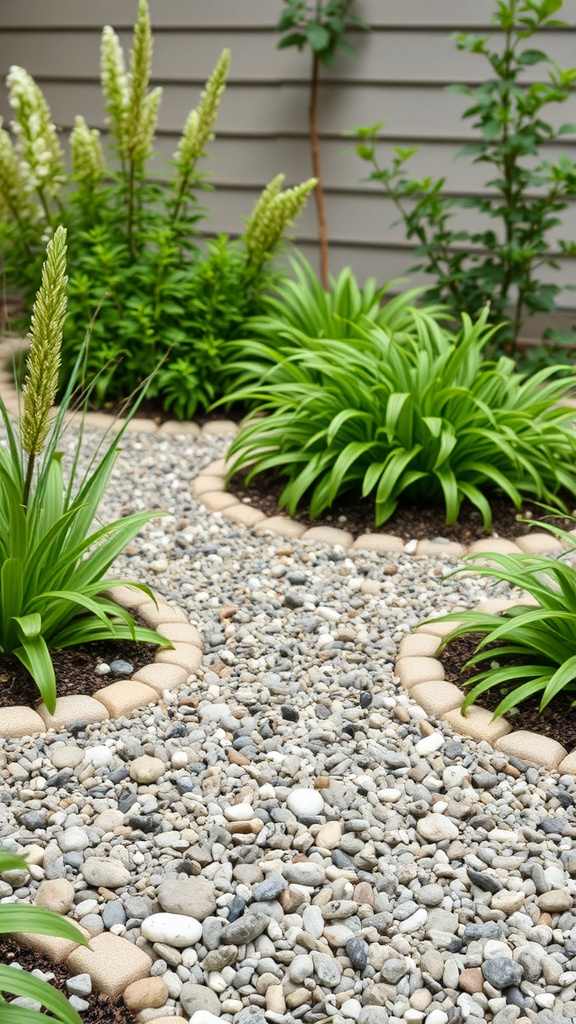
Gravel and pebbles are fantastic choices for creating a serene atmosphere in a Japanese garden. The image shows a lovely arrangement of smooth stones and gravel, forming a pathway that invites you to explore the garden.
The soft textures of the pebbles contrast beautifully with the vibrant green plants surrounding them. This combination not only looks great but also helps with drainage, making it easier to maintain the garden.
Using gravel as ground cover can simplify your gardening tasks. It reduces the need for weeding and provides a clean, minimalist look. Plus, the gentle crunch of gravel underfoot adds to the overall experience of being in a peaceful garden.
Consider using different sizes and colors of pebbles to create patterns or borders. This can add a personal touch and enhance the visual appeal of your space. Overall, gravel and pebbles can transform your garden into a tranquil retreat.
Seasonal Flower Displays
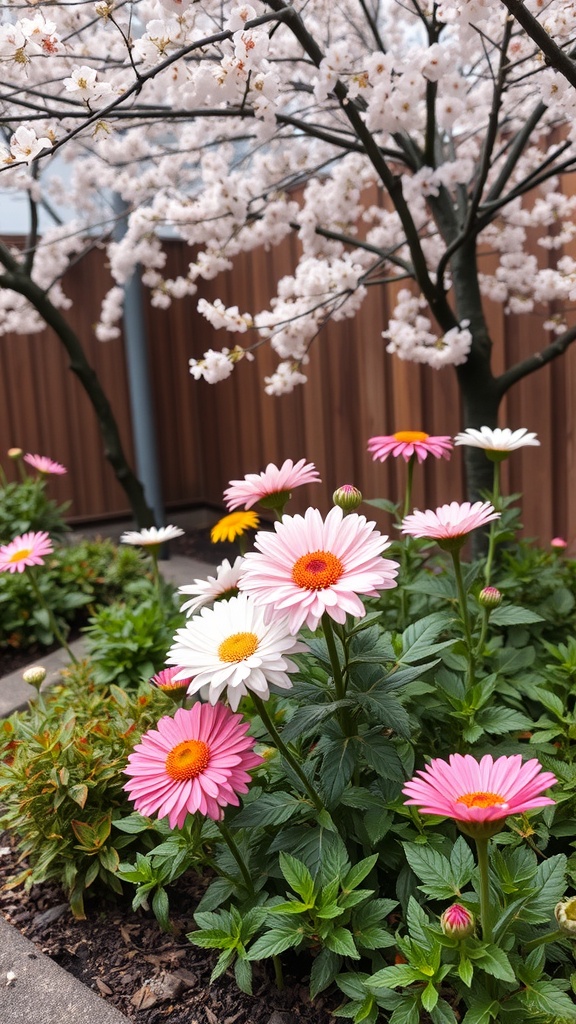
Creating seasonal flower displays in a small Japanese garden can bring joy and beauty throughout the year. The image shows a lovely arrangement of daisies in various shades of pink and white, set against a backdrop of delicate cherry blossoms. This combination is perfect for spring, celebrating the blooming season.
Incorporating flowers like daisies adds a cheerful touch. They are easy to care for and bloom abundantly, making them a great choice for any garden. The cherry blossoms, with their soft pink hues, create a stunning contrast and symbolize renewal.
Consider mixing different flower types to keep your garden lively. You can add seasonal blooms like tulips in spring or chrysanthemums in fall. This variety keeps the garden looking fresh and vibrant, no matter the time of year.
Vertical Garden Walls
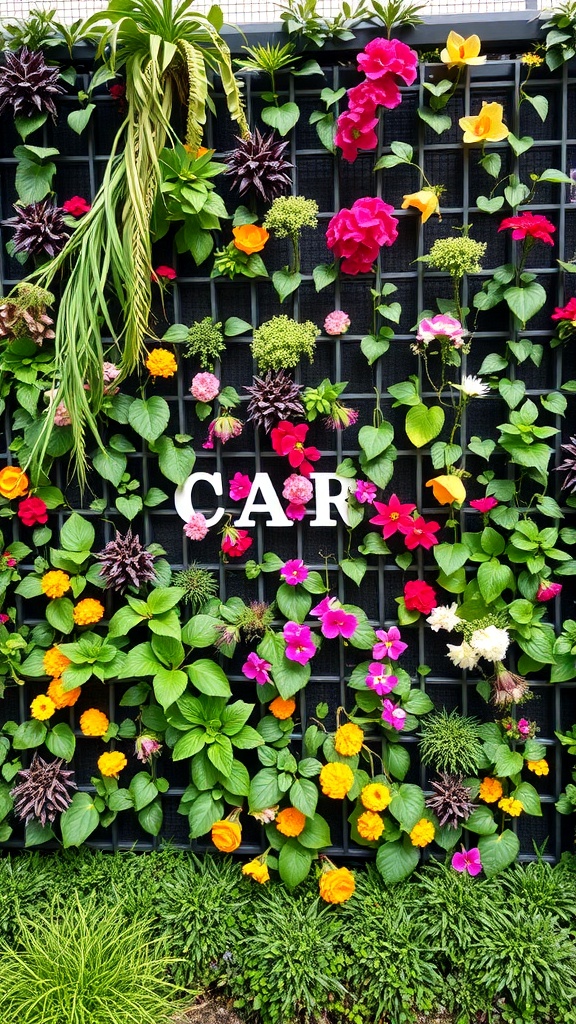
Vertical garden walls are a fantastic way to add greenery to small spaces. They bring life and color to any area, making them perfect for a Japanese garden theme. The image shows a vibrant wall filled with various flowers and plants, creating a stunning visual display.
This type of garden not only saves space but also allows you to showcase different plant varieties. The mix of colors, from bright pinks to sunny yellows, adds a cheerful touch. You can easily customize your vertical garden with your favorite plants, making it unique to your style.
Using a vertical garden wall can also improve air quality and provide a calming atmosphere. Imagine stepping into your garden and being greeted by the sight of lush greenery and blooming flowers. It’s a simple way to create a peaceful retreat right at home.
To start your own vertical garden, consider using a trellis or wall-mounted planters. Choose plants that thrive in your climate and enjoy the process of creating your little green oasis.
Pathway Borders with Edging Plants
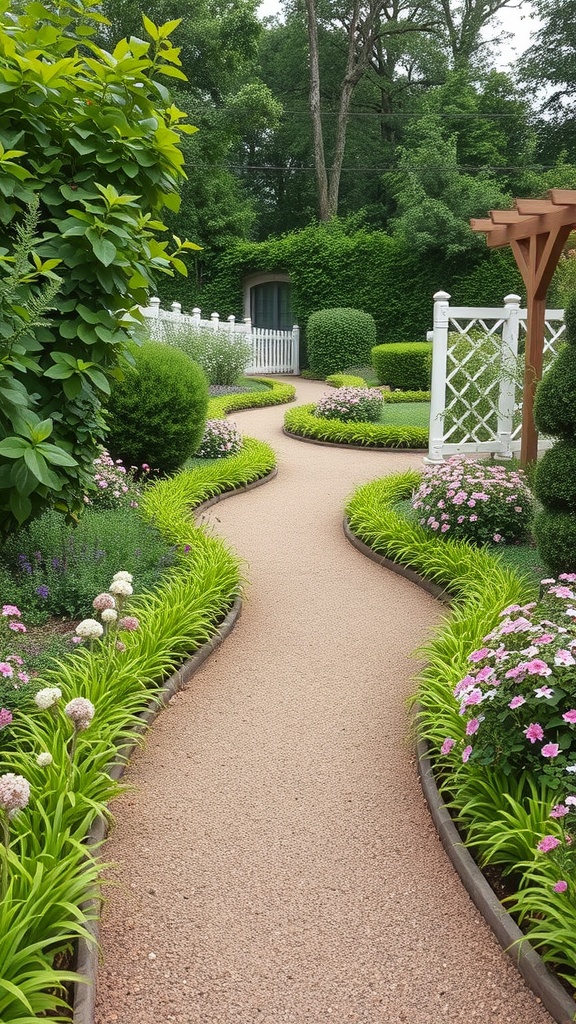
Creating a charming pathway in your Japanese garden can be a delightful project. The image showcases a winding path bordered by lush greenery and colorful flowers, making it inviting and serene.
Edging plants play a key role in defining the pathway. They not only guide visitors but also add texture and color. In this garden, vibrant flowers and soft foliage create a beautiful contrast against the smooth path.
Consider using low-growing plants like ground covers or small shrubs for a neat look. These plants can soften the edges and enhance the overall feel of the garden. The combination of plants and the pathway design can make the space feel cohesive and well-planned.
Adding some decorative stones or gravel can also enhance the pathway. This not only improves drainage but adds an extra layer of interest. A winding path, as seen here, encourages exploration and creates a sense of tranquility.
Ceramic Planters and Containers
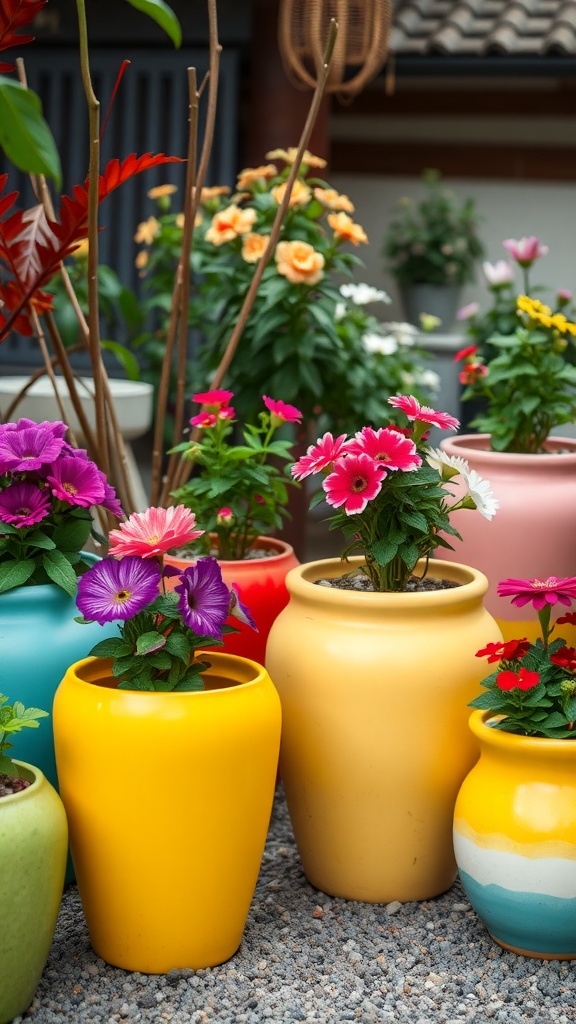
Ceramic planters add a splash of color and personality to any small Japanese garden. The image showcases a variety of vibrant ceramic pots, each filled with beautiful flowers. These pots come in different shapes and sizes, creating an inviting and cheerful atmosphere.
The bright yellow pot stands out among the others, drawing attention to the delicate pink and purple blooms it holds. Surrounding it are other colorful containers, each contributing to the garden’s lively feel. Using ceramic planters allows for a mix of styles, whether you prefer modern or traditional designs.
Incorporating these containers into your garden can enhance its charm. They can be placed on pathways, near seating areas, or even as focal points in a corner. The variety of colors in the image shows how you can play with different hues to match your garden’s theme.
Don’t forget to consider drainage when choosing your pots. Proper drainage helps keep your plants healthy and thriving. With the right ceramic planters, you can create a delightful space that reflects your personal style and love for nature.
Sculpted Shrubs and Topiaries
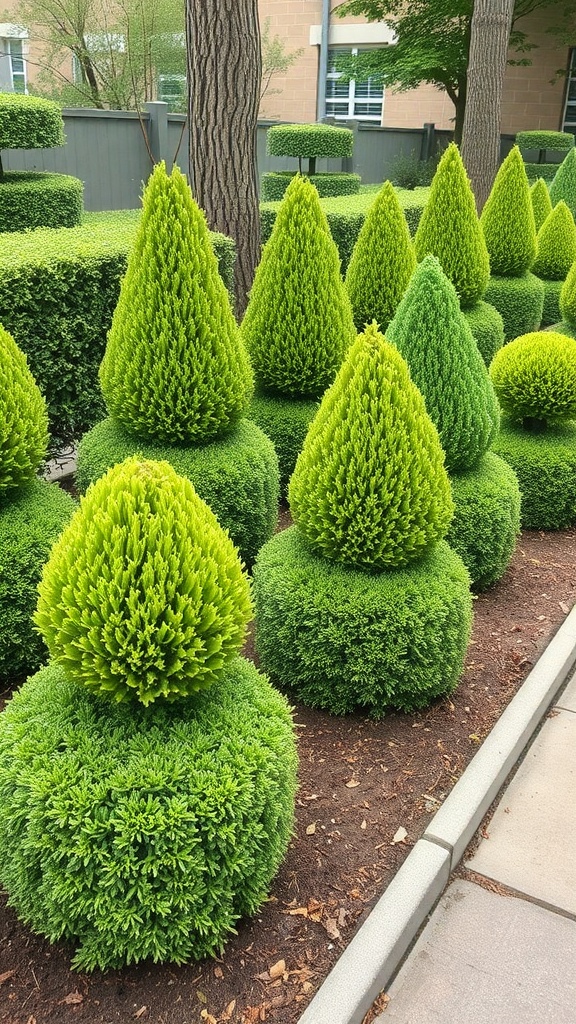
Sculpted shrubs and topiaries are a fantastic way to bring a touch of artistry to your Japanese garden. These carefully shaped plants create a sense of order and beauty, making the garden feel more serene and inviting.
In the image, you can see a variety of topiaries, each trimmed into distinct shapes. The vibrant green colors stand out, adding life to the space. The conical and rounded forms create visual interest and draw the eye throughout the garden.
Using topiaries in your garden design can also help define spaces. They can act as natural dividers, guiding visitors through different areas. This technique enhances the overall experience, making each section feel unique.
When planning your garden, think about the shapes you want to incorporate. Whether you prefer classic cones or playful spheres, the options are endless. Sculpted shrubs can be a fun project, allowing you to express your creativity while enjoying the calming effects of gardening.
Harmonious Color Schemes
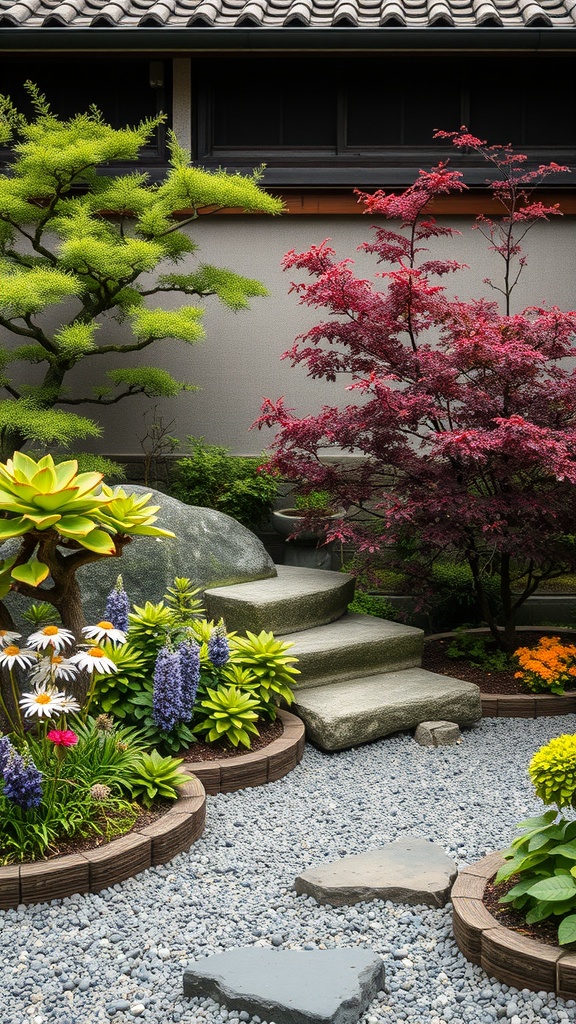
Creating a small Japanese garden is all about balance and harmony. The image showcases a stunning arrangement of plants that blend beautifully together. The vibrant greens of the foliage contrast nicely with the deep reds of the maple trees, creating a striking visual appeal.
Notice how the flowers add pops of color to the scene. The blues and whites from the daisies and other blooms provide a refreshing touch against the earthy tones of the stones and gravel. This thoughtful use of color makes the garden feel alive and inviting.
Incorporating various shades of green, red, and floral colors can help achieve a serene atmosphere. The natural elements, like the stone steps and the carefully placed rocks, enhance the overall look while keeping it grounded. A harmonious color scheme can transform any small space into a peaceful retreat.
Garden Ornaments and Statues
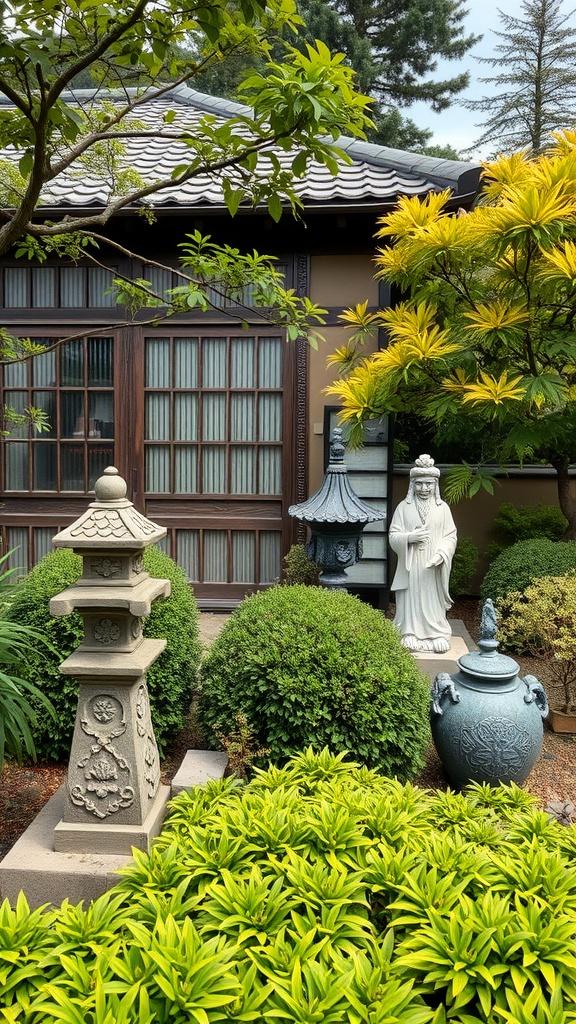
In a small Japanese garden, ornaments and statues play a key role in creating a peaceful atmosphere. The image shows a lovely arrangement of elements that bring charm and character to the space. A stone lantern stands tall, guiding the way with its traditional design. Nearby, a serene statue adds a touch of elegance, inviting contemplation.
The lush greenery surrounding these features enhances their beauty. The vibrant yellow leaves of the plants contrast nicely with the muted tones of the stone and ceramic. This combination creates a harmonious look, making the garden feel alive and welcoming.
Incorporating such ornaments can transform your garden into a tranquil retreat. Whether you choose a simple lantern or a detailed statue, each piece can tell a story. These elements not only beautify the space but also connect you to nature and Japanese culture.
Natural Stone Pathways
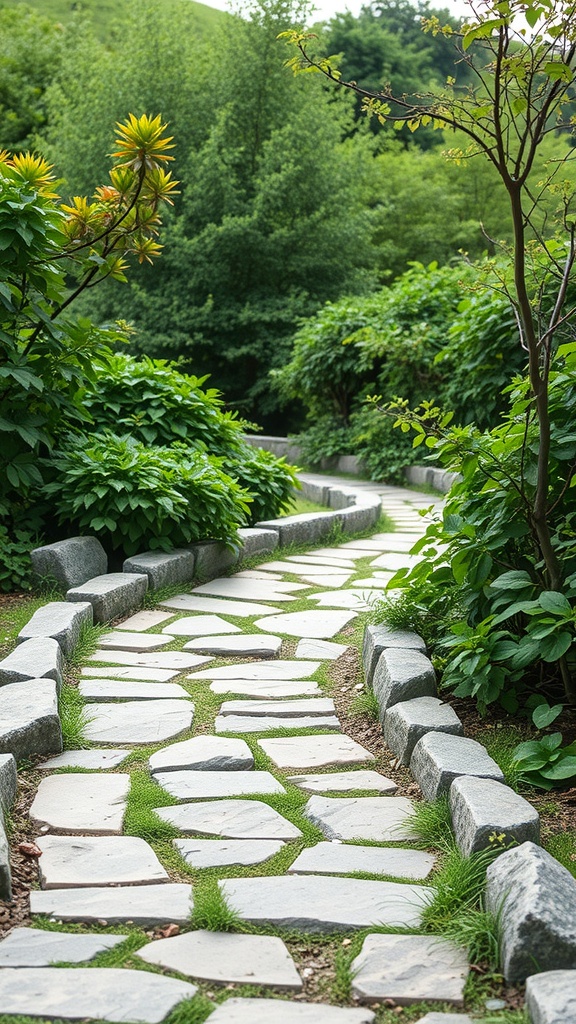
Natural stone pathways are a charming feature in any Japanese garden. They guide visitors through lush greenery, creating a sense of tranquility. The image shows a winding path made of irregular stones, bordered by soft grass and vibrant plants.
These pathways not only enhance the beauty of the garden but also invite exploration. Each step along the stones leads to new sights and sounds, making the journey enjoyable. The use of natural materials helps the pathway blend seamlessly with the surrounding landscape.
When designing your own stone pathway, consider the layout. A gentle curve can create a more inviting feel than a straight line. You can also mix different types of stones for a unique look. Adding small patches of grass between the stones, like in the image, softens the overall appearance and adds a touch of nature.
Incorporating natural stone pathways into your garden design can transform the space into a peaceful retreat. They encourage relaxation and reflection, making your garden a perfect spot for quiet moments.
Floating Islands in Ponds
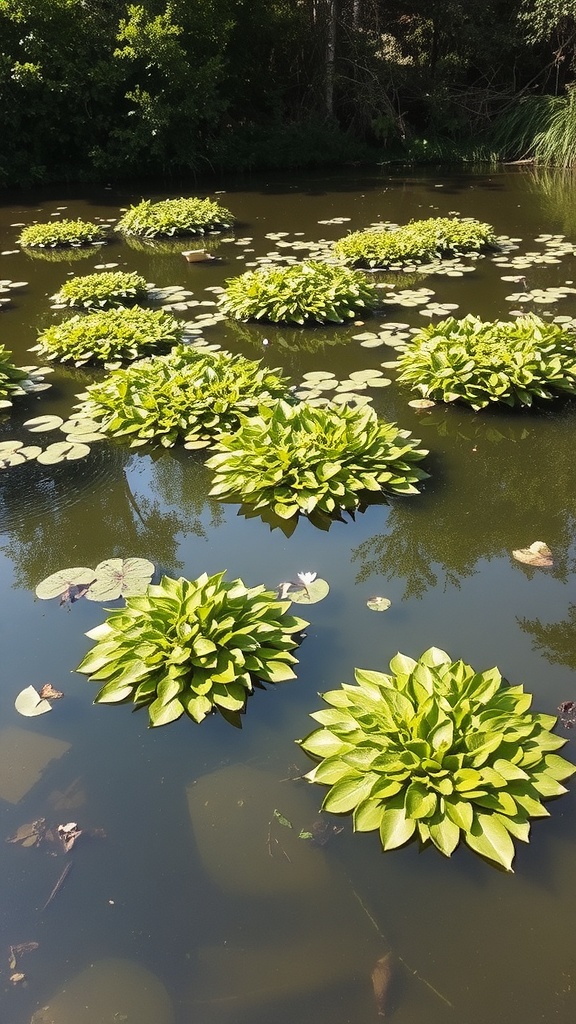
Floating islands in ponds can add a unique charm to your Japanese garden. These islands, often made of lush greenery, create a serene spot for reflection and relaxation. The image shows vibrant green plants forming circular islands on a calm pond, surrounded by lily pads. This natural arrangement not only looks beautiful but also enhances the ecosystem of the pond.
Incorporating floating islands can be simple. You can use plants like water lilies or other aquatic species that thrive in shallow water. These plants provide shade and shelter for fish and other wildlife, making your pond a lively habitat.
To create your own floating islands, consider using a sturdy base, like a piece of buoyant material, and plant your chosen greenery on top. This allows you to customize the look and feel of your pond. You can also arrange the islands in different shapes or sizes to create visual interest.
Floating islands not only beautify your garden but also promote biodiversity. They can be a great conversation starter when you have guests over. Imagine enjoying a cup of tea while gazing at these lovely green patches bobbing gently on the water!
Herb and Vegetable Nooks
Creating a small Japanese garden can be a delightful way to enjoy nature right at home. One charming idea is to incorporate herb and vegetable nooks. These spaces not only add greenery but also provide fresh ingredients for your meals.
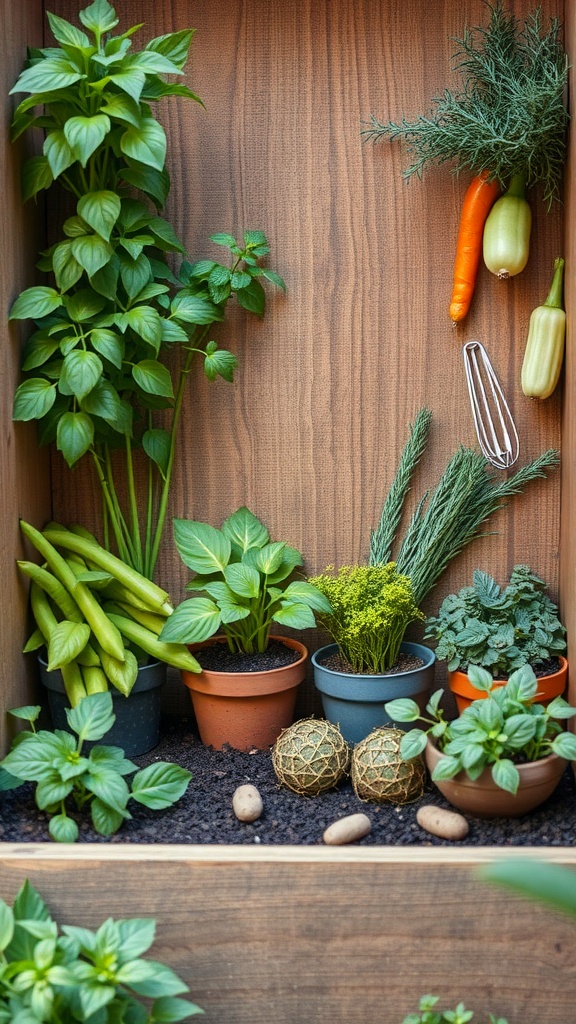
In the image, you can see a lovely arrangement of herbs and vegetables. The vibrant green leaves of basil and mint stand out, while pots of dill and other plants add variety. This setup is perfect for small spaces, allowing you to grow your favorites without needing a large garden.
Consider using vertical planters or tiered shelves to maximize your space. This way, you can have a mix of herbs like rosemary and thyme alongside vegetables such as carrots and zucchini. It’s a practical and beautiful way to enjoy gardening.
Don’t forget to include decorative elements like stones or small sculptures to enhance the look. These little touches can make your herb nook feel more inviting. Whether you’re a seasoned gardener or just starting, creating these nooks can be a fun and rewarding experience.
Butterfly and Pollinator Gardens
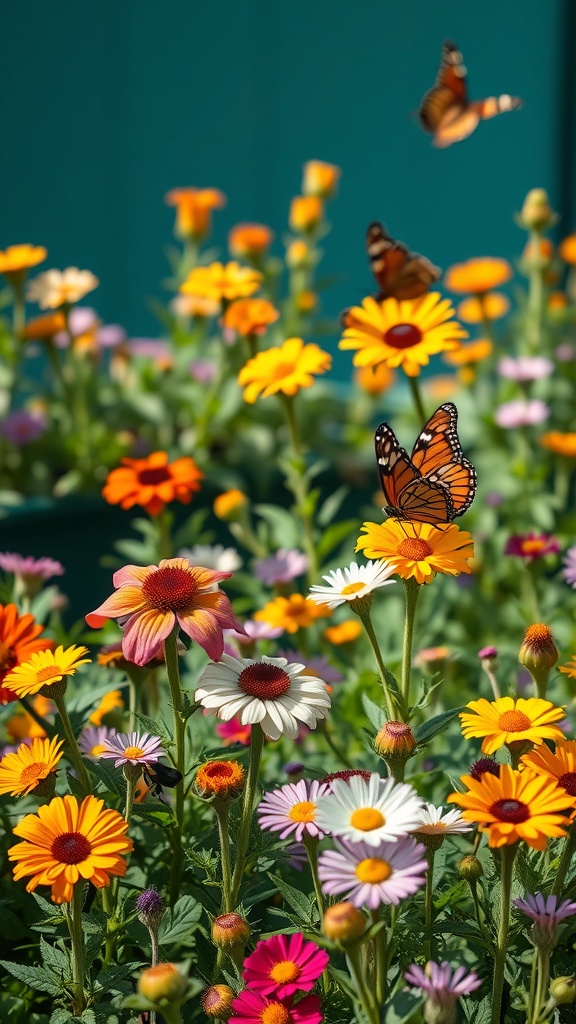
Creating a butterfly and pollinator garden adds color and life to your small Japanese garden. Imagine vibrant flowers in shades of orange, pink, and white, attracting butterflies and bees. This lively scene not only beautifies your space but also supports local wildlife.
Choose flowers that bloom at different times to ensure a steady food source for pollinators. Plants like daisies, marigolds, and zinnias are great options. They are easy to grow and thrive in various conditions. You can mix these flowers to create a stunning display that draws in butterflies.
Incorporating native plants can be beneficial too. They are adapted to your local environment and often require less maintenance. Plus, they provide the best habitat for local pollinators. Adding a small water feature or a few rocks can also create a welcoming spot for these creatures.
Don’t forget to provide shelter. Small shrubs or a few strategically placed stones can offer resting spots for butterflies. With a little planning, your garden can become a thriving habitat for these beautiful insects.
Lighting for Evening Ambiance
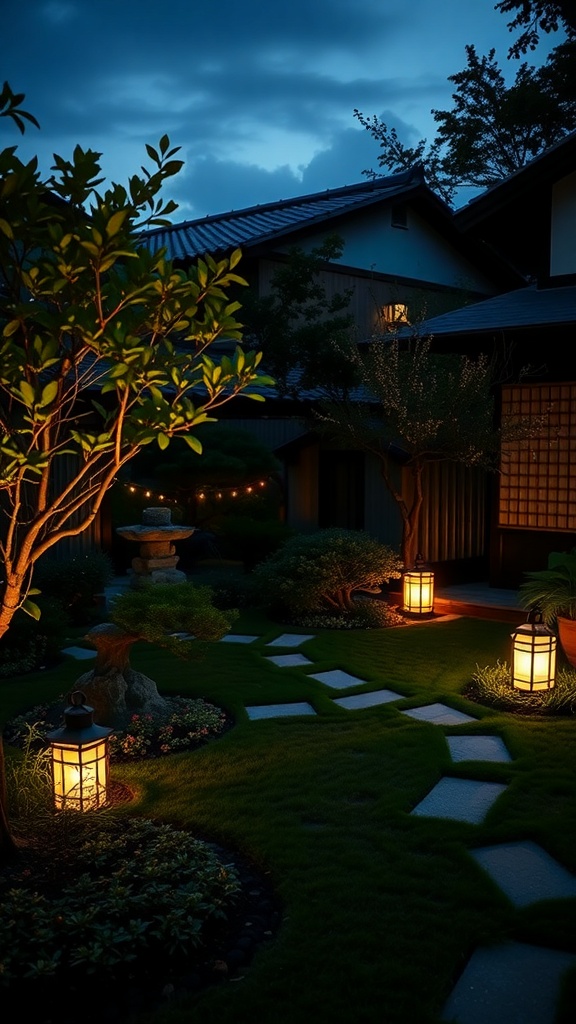
Creating a cozy atmosphere in your small Japanese garden is all about the right lighting. The image shows a beautifully lit garden path, where lanterns softly illuminate the way. This kind of lighting not only highlights the garden’s features but also invites you to explore.
Using lanterns, like the ones in the picture, adds a traditional touch. They can be placed along pathways or near plants to create focal points. The warm glow they emit makes the garden feel welcoming and serene, perfect for evening relaxation.
String lights can also enhance the mood. Draping them across trees or along fences adds a magical feel. They twinkle like stars, making your garden a lovely spot for gatherings or quiet moments.
Don’t forget about the plants! Uplighting can showcase their beauty, casting interesting shadows and creating depth. This way, even at night, your garden remains vibrant and alive.
Natural Stone Seating Areas
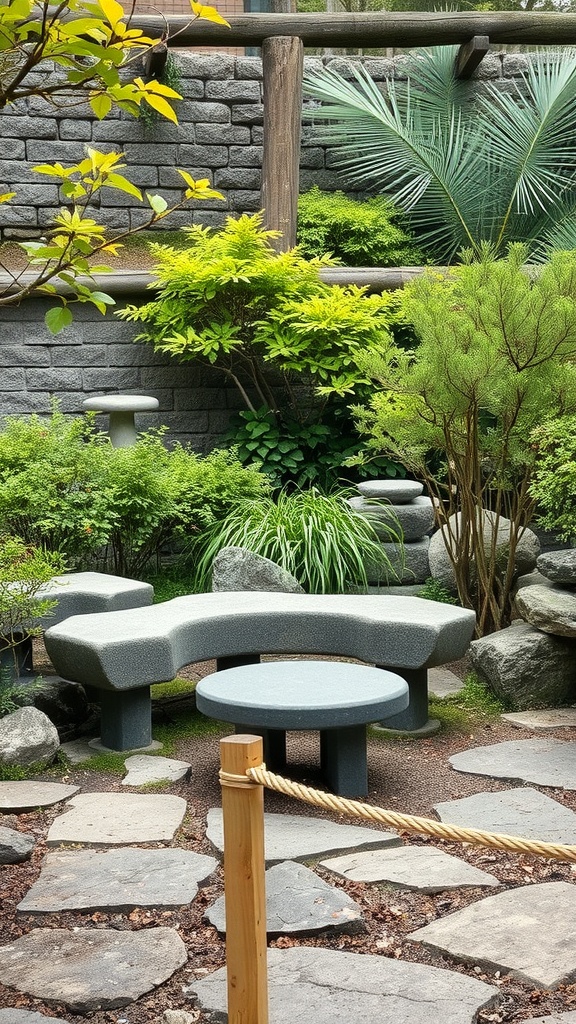
Creating a cozy spot in your small Japanese garden can be a delightful addition. Natural stone seating areas offer a perfect blend of comfort and nature. The image showcases a unique seating arrangement made from stone, which fits seamlessly into the garden’s landscape.
The curved bench and round table invite relaxation. They provide a great place to enjoy a cup of tea or simply soak in the beauty around you. The surrounding greenery adds a refreshing touch, making it an ideal spot for quiet moments.
Using natural materials like stone not only enhances the garden’s aesthetic but also ensures durability. These seating areas can withstand the elements while blending harmoniously with the plants and stones around them. Consider incorporating similar elements in your garden for a tranquil retreat.
Garden Path Lighting
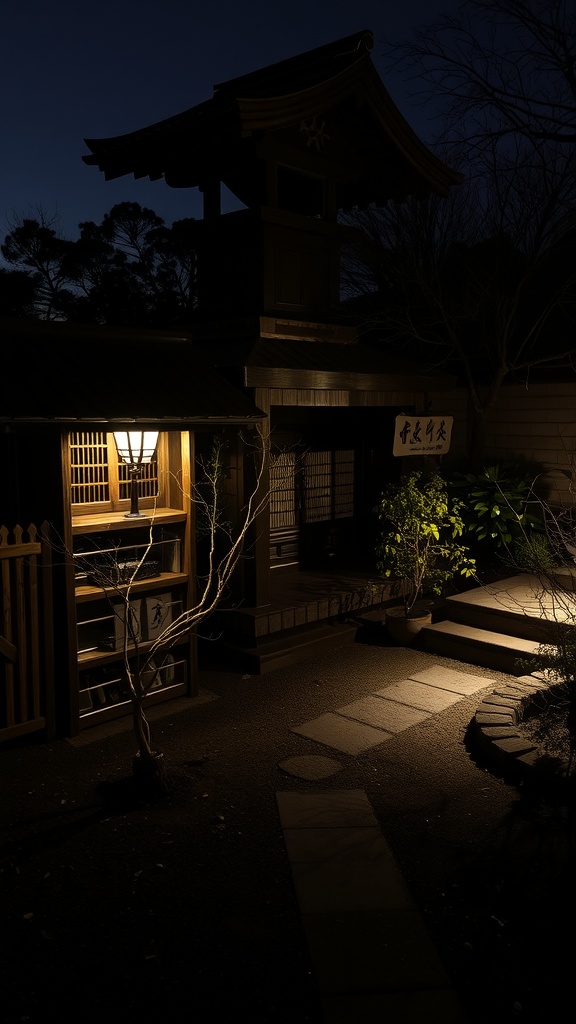
Lighting plays a big role in creating a cozy atmosphere in your small Japanese garden. The image shows a charming garden path illuminated by soft lights. This type of lighting not only guides visitors but also enhances the beauty of the surroundings.
Using lanterns or subtle ground lights can highlight the natural features of your garden. The warm glow from the lantern in the image creates a welcoming feel, inviting you to explore further. Path lighting can also help you enjoy your garden during the evening, making it a perfect spot for relaxation.
Consider using solar-powered lights for an eco-friendly option. They charge during the day and provide gentle illumination at night. This not only saves energy but also adds a touch of convenience. You can place them along the path or near plants to create a magical effect.
Incorporating lighting into your garden design can transform the space. It allows you to enjoy the beauty of your garden even after sunset. So, whether you’re hosting a gathering or enjoying a quiet evening, the right lighting can make all the difference.
Quiet Meditation Spots
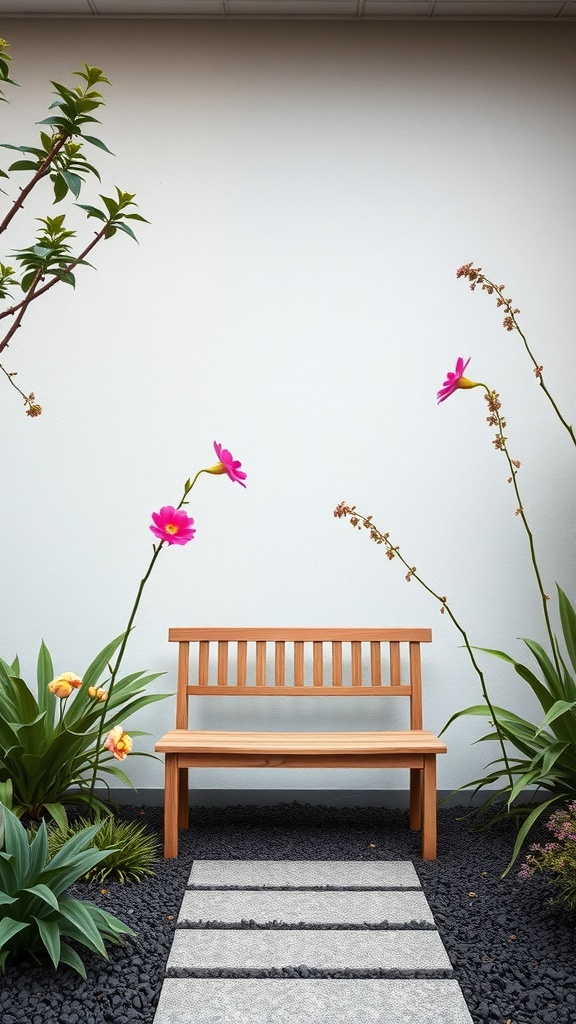
Creating a peaceful corner in your small Japanese garden can be a delightful way to unwind. The image shows a simple wooden bench surrounded by vibrant flowers and lush greenery. This setup invites you to sit back and enjoy the tranquility of nature.
The bench is perfectly placed on a stone pathway, leading you into a serene space. The flowers add a pop of color, while the dark stones provide a calming contrast. This combination makes it an ideal spot for meditation or quiet reflection.
To enhance your own garden, think about adding a similar bench. Position it where you can enjoy the view of your plants. Surround it with flowers that bloom at different times of the year for continuous beauty. This way, you create a welcoming space that encourages relaxation and mindfulness.
Cultural Elements and Symbols
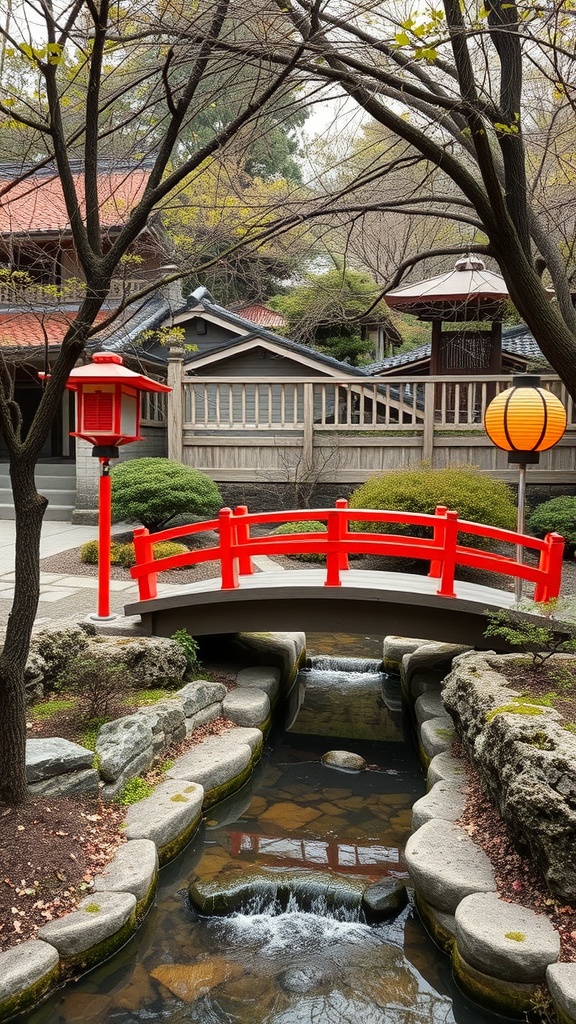
Japanese gardens are rich in cultural significance and symbolism. The image shows a charming red bridge, a common feature in these gardens. Bridges often symbolize the transition from the mundane to the spiritual. They invite visitors to cross over and experience a different realm.
The red color of the bridge is not just for aesthetics; it represents happiness and good fortune in Japanese culture. Nearby, you can spot traditional lanterns that illuminate the path, guiding visitors and adding a warm glow to the garden.
Water is another vital element. The stream flowing under the bridge signifies purity and tranquility. It reflects the importance of nature in Japanese gardens, where every stone and plant is thoughtfully placed to create harmony.
Overall, this garden beautifully combines these cultural elements, making it a peaceful retreat that encourages reflection and appreciation of nature.
Rain Chains as Decorative Features
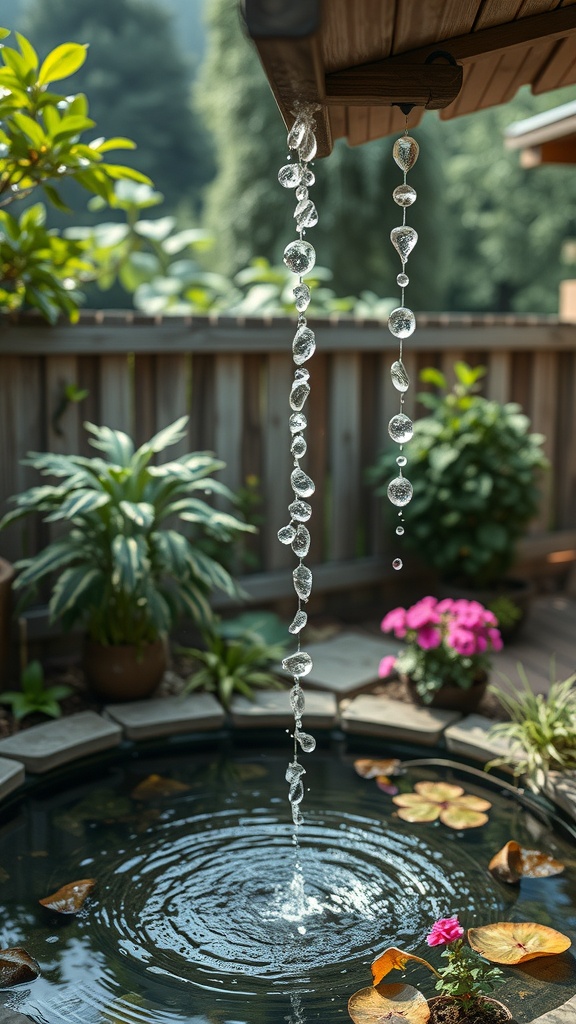
Rain chains are a beautiful addition to any Japanese garden. They serve both a practical purpose and an aesthetic one. Instead of traditional downspouts, rain chains guide rainwater down in a gentle flow, creating a soothing sound as it cascades.
The image shows a stunning rain chain made of clear beads, hanging gracefully from a roof. Below, the water splashes into a tranquil pond, surrounded by lush greenery and vibrant flowers. This setup not only enhances the beauty of the garden but also connects the elements of water and nature.
Incorporating a rain chain can transform your outdoor space. It adds a unique touch that draws the eye and invites relaxation. Plus, the sound of water can be incredibly calming, making your garden a perfect retreat.
Consider placing your rain chain near a pond or a flower bed. This way, you can enjoy the visual and auditory effects it brings. Rain chains are available in various designs, so you can choose one that fits your style. They can be a simple yet striking feature in your small Japanese garden.
Wildlife-Friendly Features
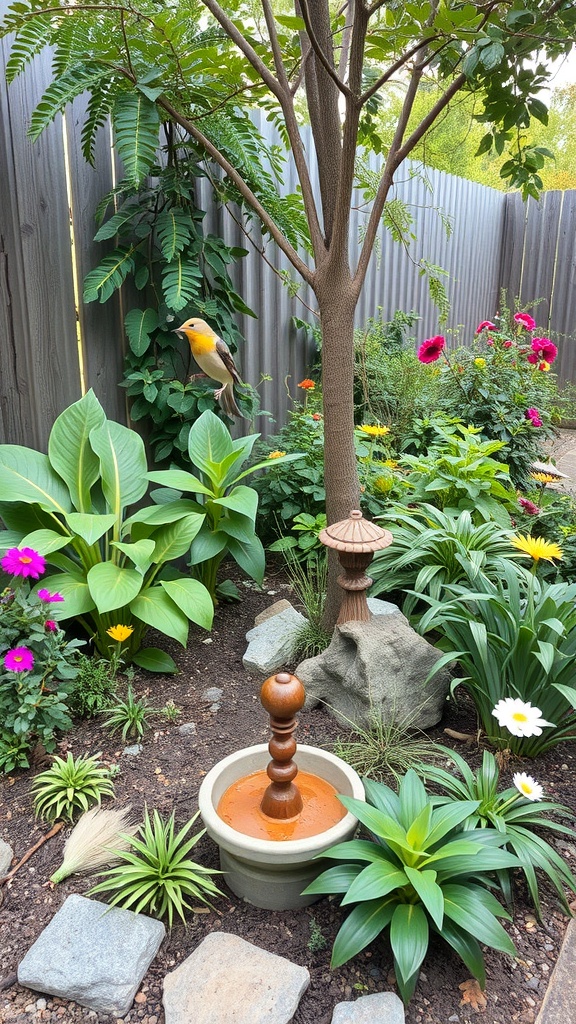
Creating a small Japanese garden can be a delightful way to invite nature into your space. In this image, we see a vibrant garden filled with colorful flowers, lush greenery, and a charming water feature. These elements not only enhance the beauty of the garden but also attract various forms of wildlife.
The water fountain in the center serves as a perfect spot for birds to drink and bathe. This feature is essential for a wildlife-friendly garden, as it provides hydration and a safe space for birds to enjoy. The gentle sound of flowing water can also create a calming atmosphere.
Surrounding the fountain, the diverse plants offer shelter and food for insects and small animals. The mix of flowers and foliage can attract butterflies and bees, which are vital for pollination. Incorporating native plants can further support local wildlife, making your garden a thriving ecosystem.
Lastly, the stone pathways and decorative elements add structure while allowing easy access for both you and the creatures that visit. By blending beauty with functionality, this garden showcases how small spaces can be both inviting and supportive of wildlife.
Integration of Natural Elements
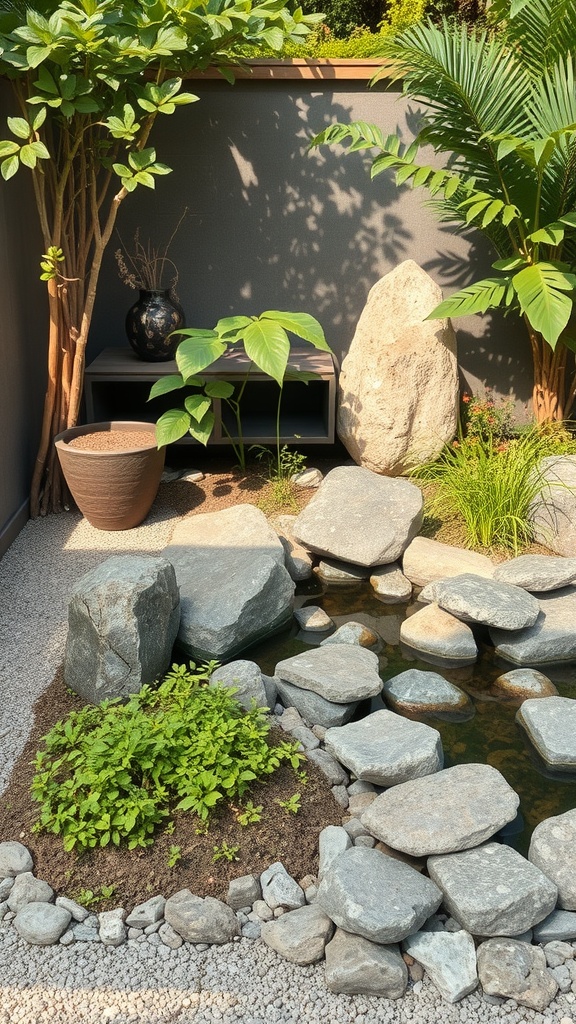
Creating a small Japanese garden is all about blending natural elements seamlessly. In the image, you can see a lovely arrangement of stones, plants, and water that captures this essence perfectly. The smooth stones create a natural path, guiding the eye and inviting exploration.
The greenery adds life to the space. The lush leaves of the plants contrast beautifully with the rocks and water, creating a calming atmosphere. The choice of plants, like the vibrant green in the foreground, is essential for bringing a touch of nature into your garden.
Water features, like the small pond shown here, are key in Japanese gardens. They symbolize tranquility and provide a soothing sound that enhances relaxation. The rocks surrounding the pond not only define the space but also add texture and interest.
Incorporating these elements thoughtfully can transform any small area into a peaceful retreat. Whether it’s a few stones or a small water feature, each piece plays a role in creating harmony.
Succulent and Cacti Displays
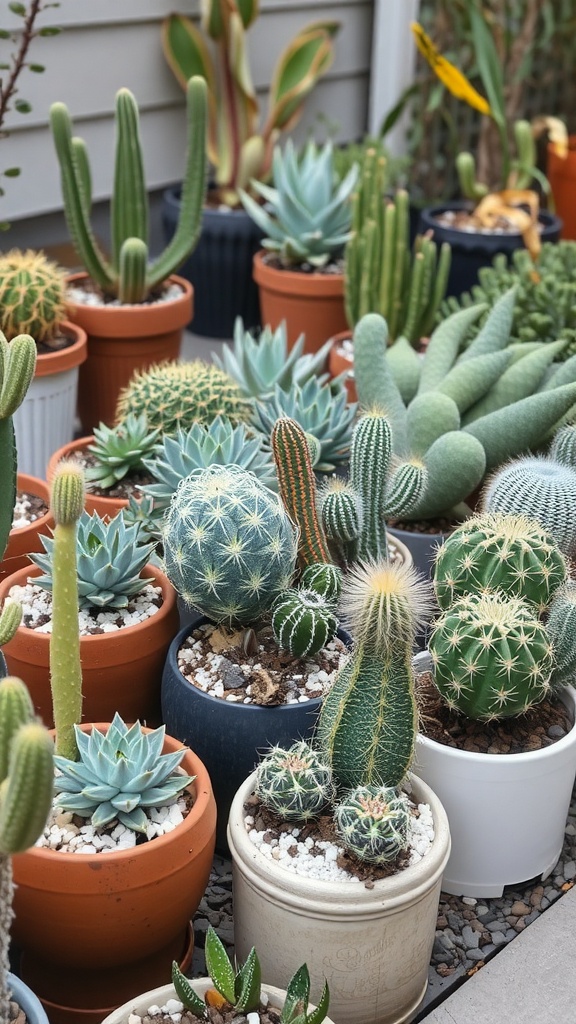
Creating a small Japanese garden with succulents and cacti can be a delightful way to add charm and character to your space. These plants are not only low-maintenance but also come in various shapes and sizes, making them perfect for unique arrangements.
The image showcases a vibrant collection of succulents and cacti, each in its own pot. The variety of textures and colors creates an eye-catching display. You can mix and match different species to create a layered look, which adds depth to your garden.
Consider using terracotta pots for a traditional feel, or go for sleek, modern containers to give a contemporary twist. Grouping plants of varying heights can create visual interest. Don’t forget to add some decorative stones or gravel to enhance the overall aesthetic.
These plants thrive in sunny spots, so choose an area that gets plenty of light. With a little creativity, your succulent and cacti display can become a stunning focal point in your small Japanese garden.