Japanese courtyard gardens are a beautiful reflection of Zen principles, offering a serene escape and a visual delight. These gardens capture the essence of tranquility with their careful arrangement of rocks, water features, and plants, inviting a moment of contemplation and connection with nature. Let’s explore how these peaceful spaces embody simplicity and harmony, making them a true testament to the spirit of Zen.
The Importance of Pathways
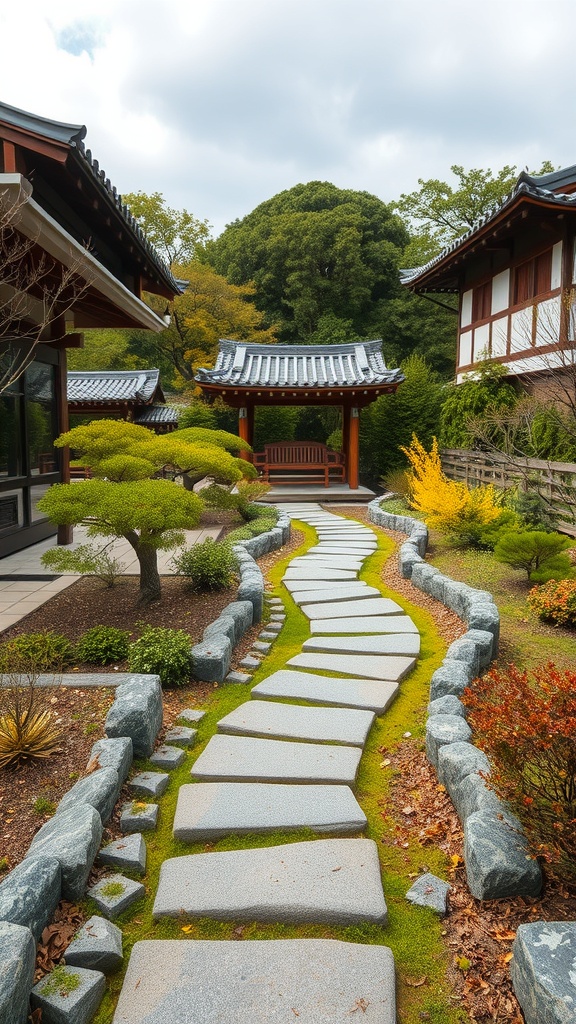
Pathways in Japanese courtyard gardens guide visitors through serene landscapes. They create a sense of flow, inviting you to pause and appreciate the beauty around you. Each step taken on these paths encourages mindfulness and connection with nature.
Seasonal Changes in Japanese Gardens
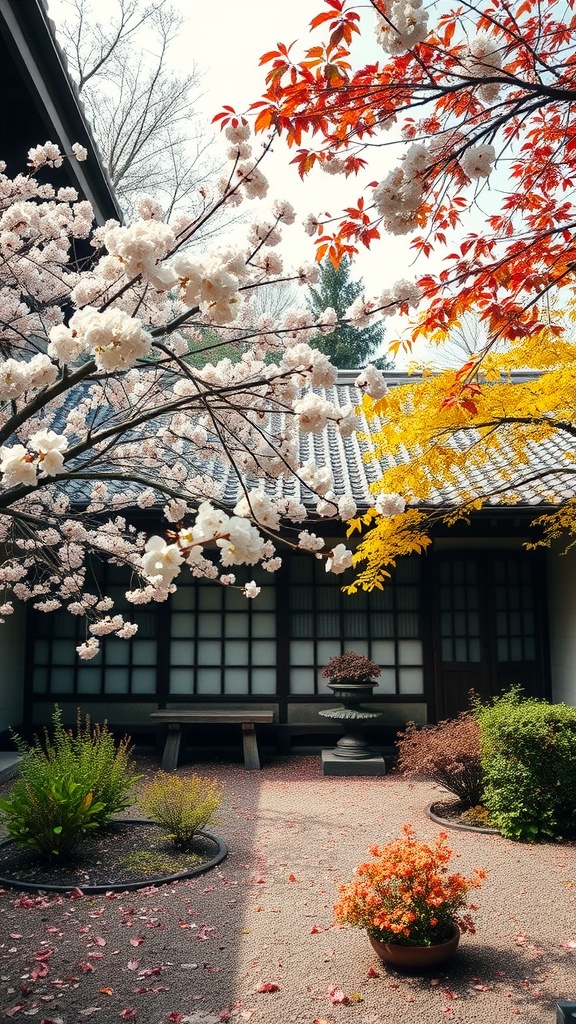
Japanese courtyard gardens beautifully change with the seasons. In spring, cherry blossoms bloom in soft pink, while autumn brings vibrant reds and yellows. Each season offers a fresh perspective, inviting visitors to appreciate nature’s cycles.
The Essence of Zen in Garden Design
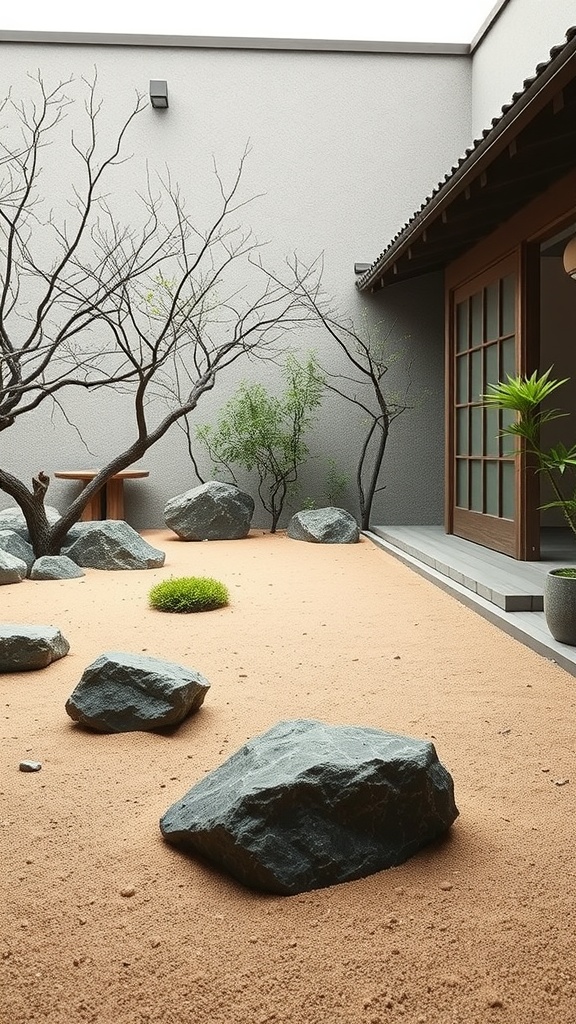
Japanese courtyard gardens beautifully capture the spirit of Zen. With simple elements like rocks, sand, and sparse vegetation, they create a peaceful space for reflection. These gardens invite you to slow down and appreciate the beauty of nature in its purest form.
Symbolism of Water in Zen Gardens
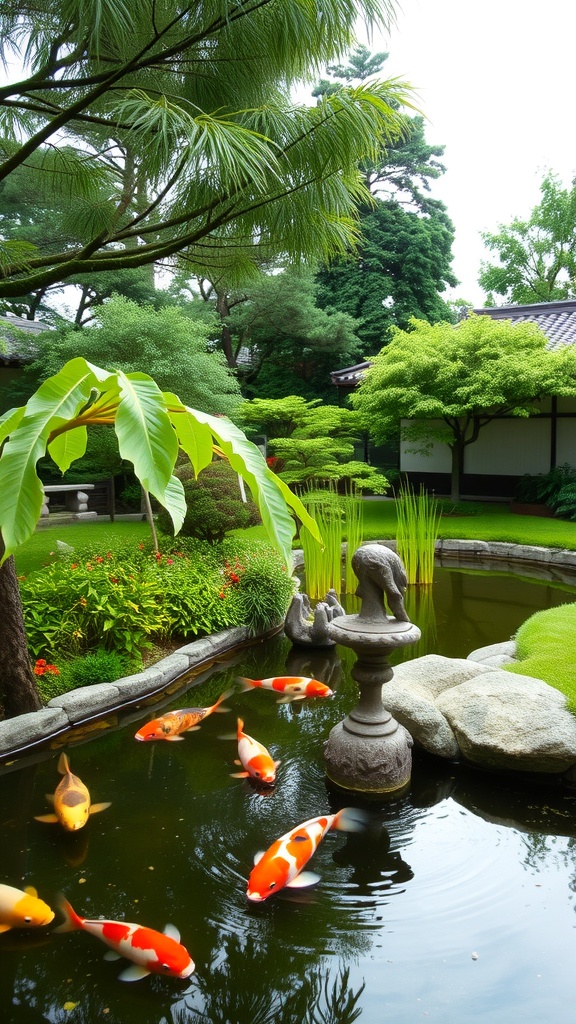
Water in Zen gardens represents tranquility and clarity. It reflects the beauty of nature and creates a peaceful atmosphere. The gentle movement of water invites contemplation and encourages a sense of calm.
The Art of Minimalism in Zen Gardens
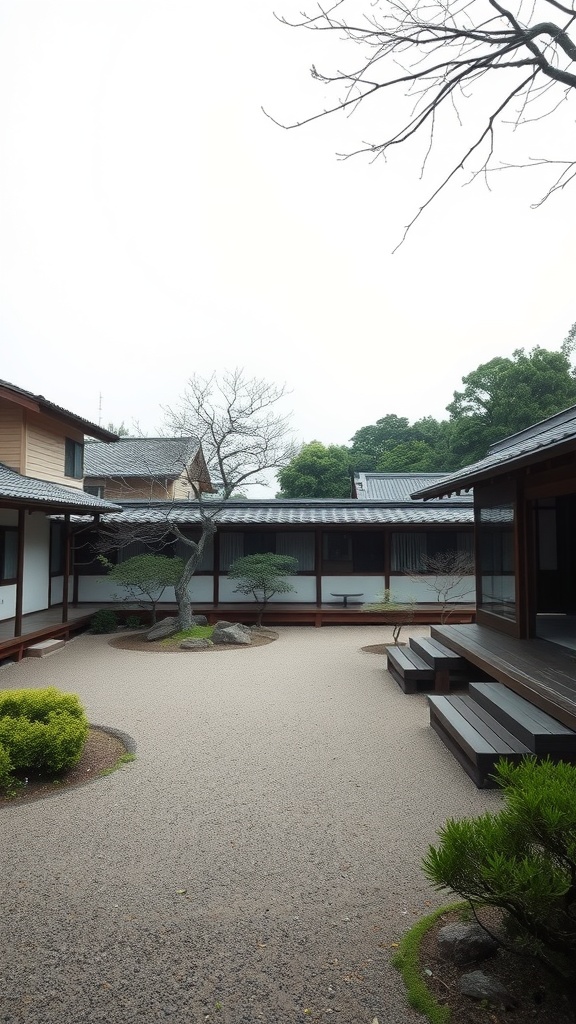
Zen gardens showcase the beauty of simplicity. Each element, from the rocks to the plants, is carefully placed to promote peace and reflection. This minimalism invites visitors to slow down and appreciate the quiet elegance of nature.
The Role of Rocks and Gravel
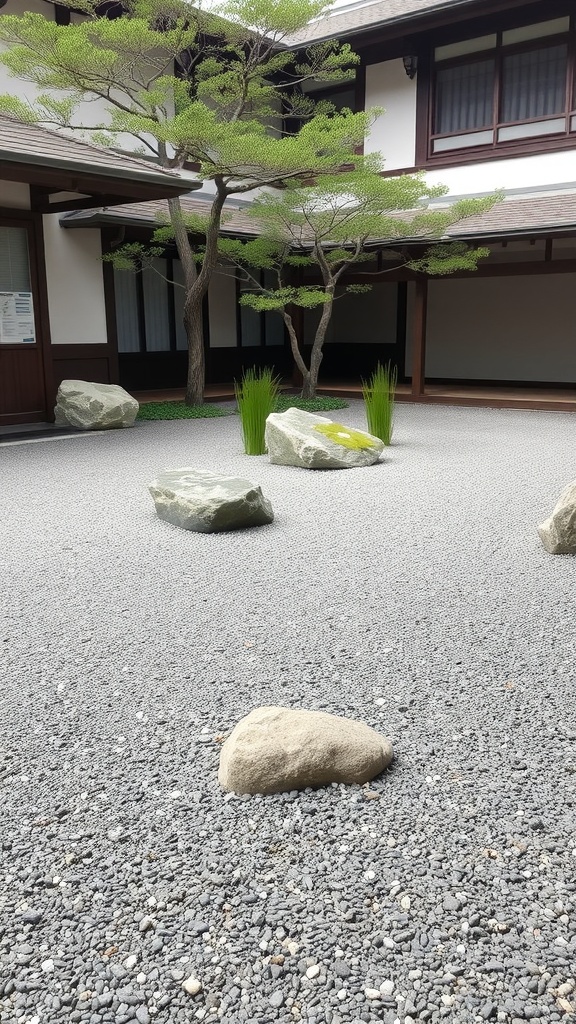
Rocks and gravel play a key role in Japanese courtyard gardens, adding both beauty and meaning. The arrangement of stones can symbolize mountains or islands, creating a peaceful scene. Gravel, often raked into patterns, represents water and enhances the garden’s tranquil vibe.
Creating Balance with Plant Selection
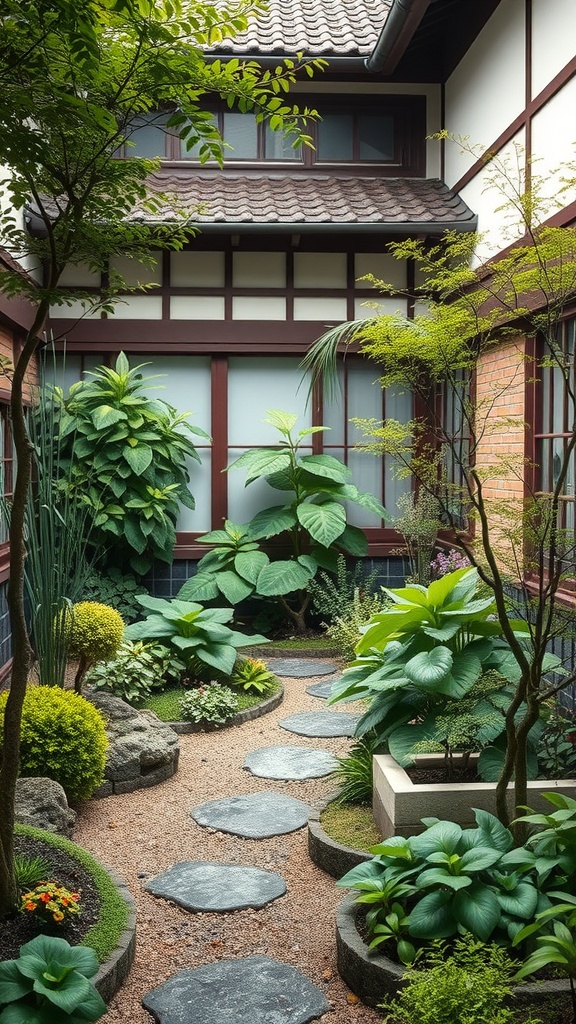
Choosing the right plants is key to achieving harmony in a Japanese courtyard garden. Opt for a mix of textures and colors to create a soothing atmosphere. Remember, the goal is to reflect nature’s beauty while maintaining a sense of peace.
Incorporating Traditional Elements
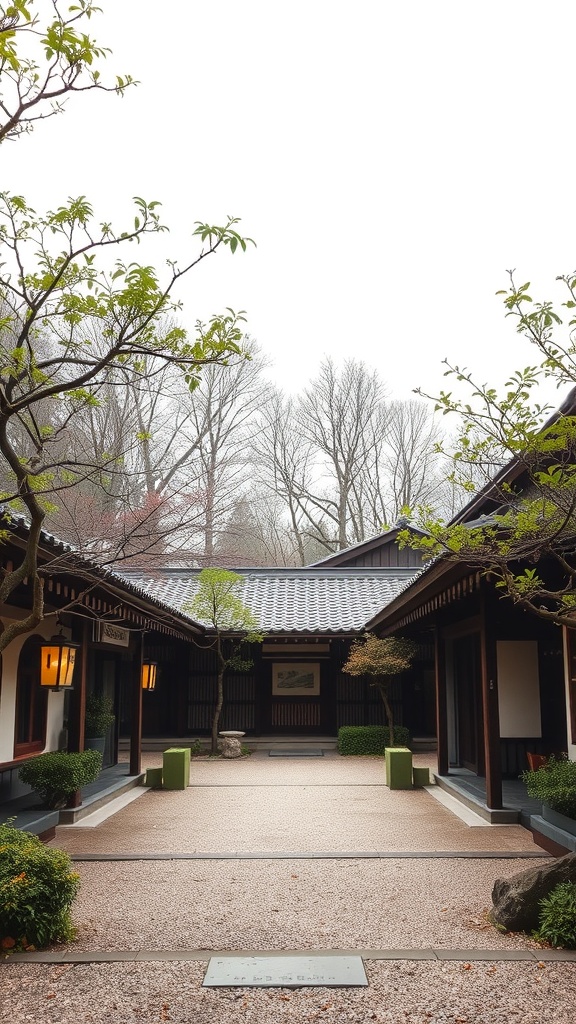
Japanese courtyard gardens beautifully blend nature and architecture. They often feature simple stones, carefully pruned trees, and gravel paths that invite calmness. These elements reflect the Zen spirit, creating a peaceful retreat right at home.
Creating Focal Points with Statues
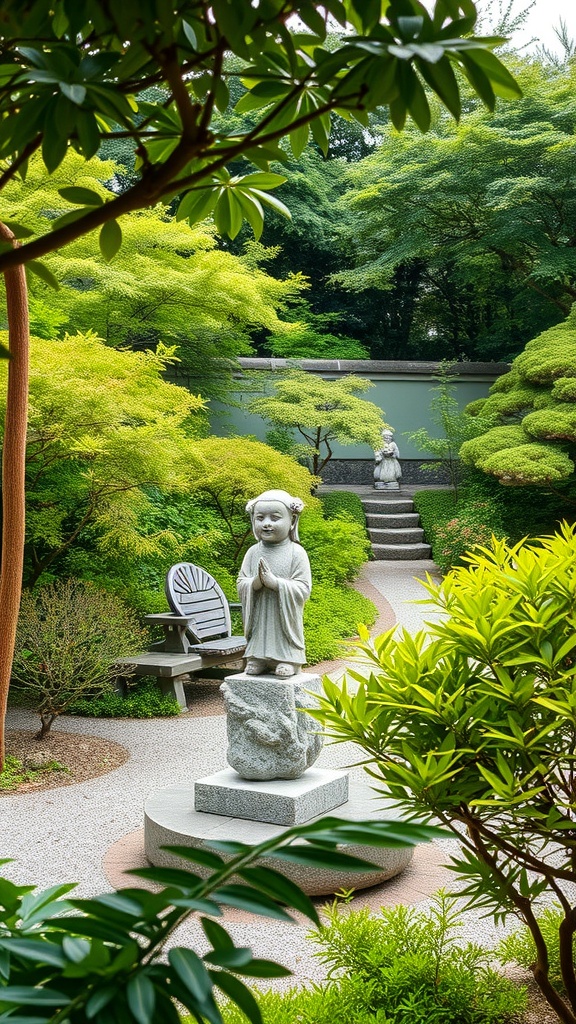
Statues in Japanese courtyard gardens bring a special charm to the space. They serve as focal points that draw the eye and invite reflection. Whether it’s a serene figure or a playful design, these sculptures enhance the garden’s peaceful spirit.
Meditative Spaces in the Garden
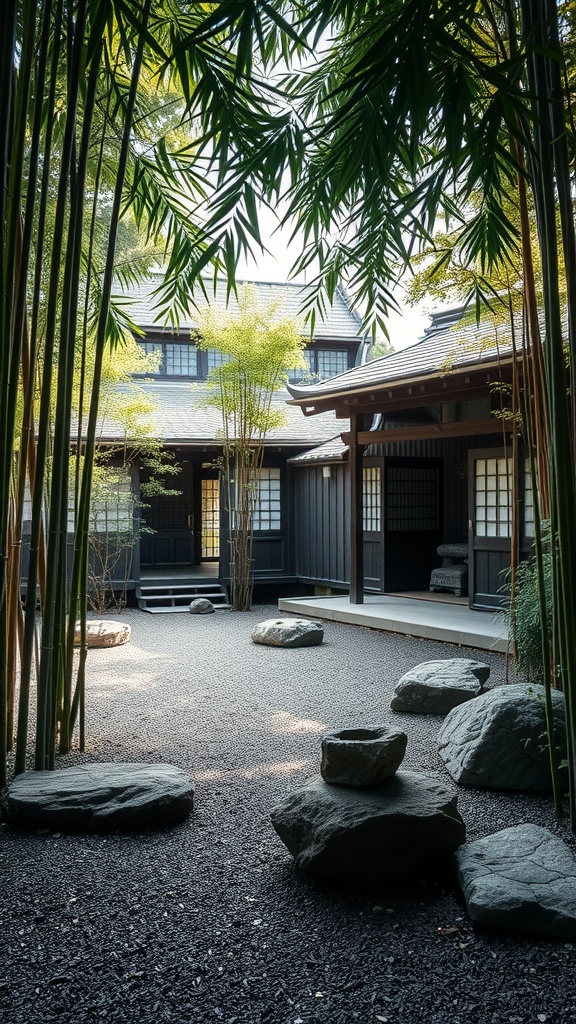
Japanese courtyard gardens create a peaceful retreat that invites quiet reflection. The arrangement of stones and bamboo encourages a sense of calm, making it easy to find your center. These spaces are perfect for anyone looking to escape the noise of daily life and reconnect with nature.
The Philosophy Behind Zen Gardens
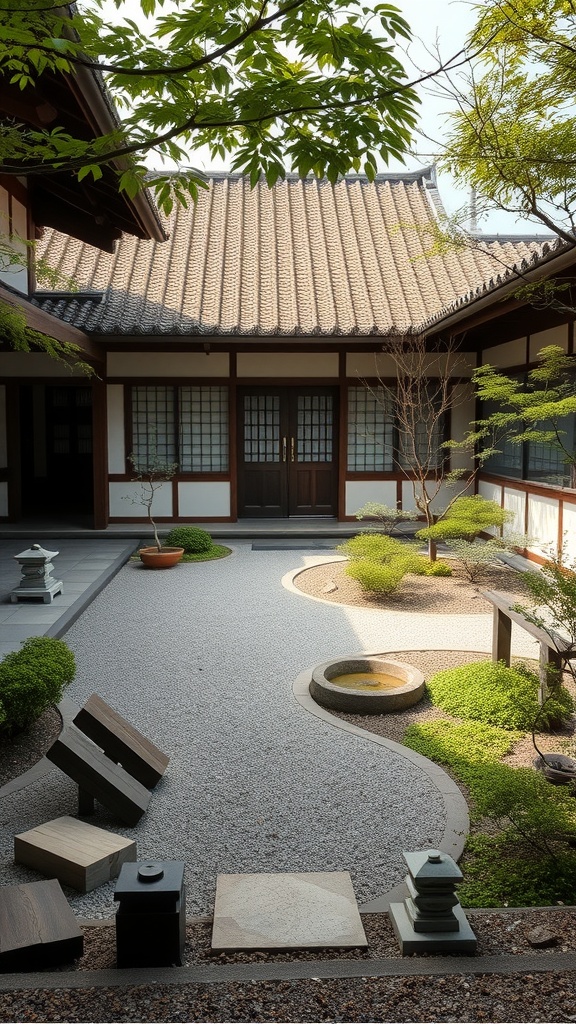
Zen gardens are all about simplicity and tranquility. They invite you to pause and reflect, offering a space where nature and design come together harmoniously. This balance helps cultivate mindfulness and a deeper connection to the present moment.
The Integration of Natural Elements
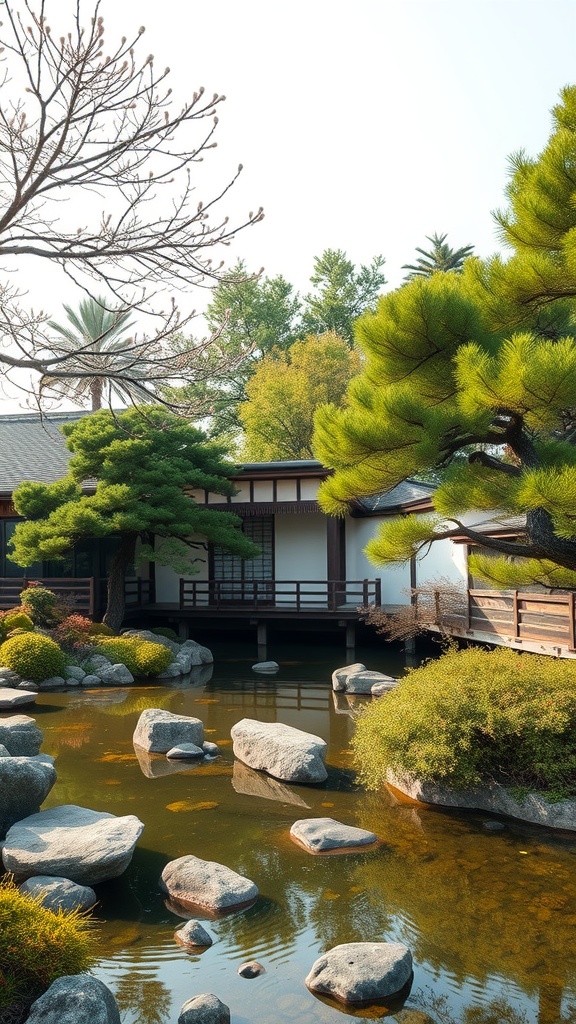
Japanese courtyard gardens beautifully blend natural elements to create a serene atmosphere. The use of water, stones, and carefully pruned trees invites a sense of calm and reflection. Each element is thoughtfully placed, encouraging visitors to connect with nature and find peace in their surroundings.
The Influence of Zen Buddhism on Garden Design
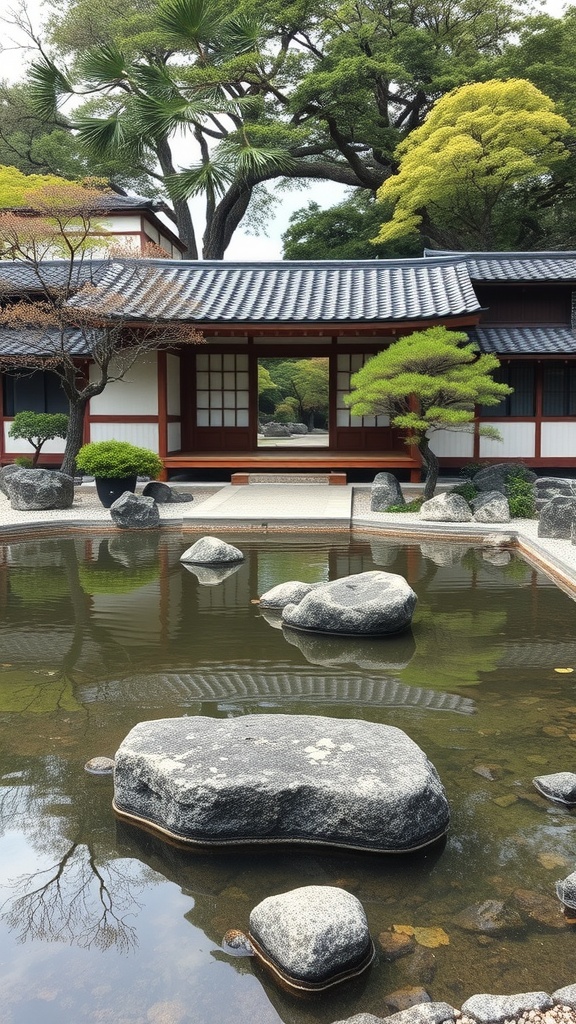
Zen Buddhism plays a big role in shaping Japanese courtyard gardens. These gardens focus on simplicity and natural beauty, creating a peaceful space for reflection. The careful arrangement of rocks, water, and plants encourages a calm mind and a connection to nature.
The Use of Color in Zen Gardens
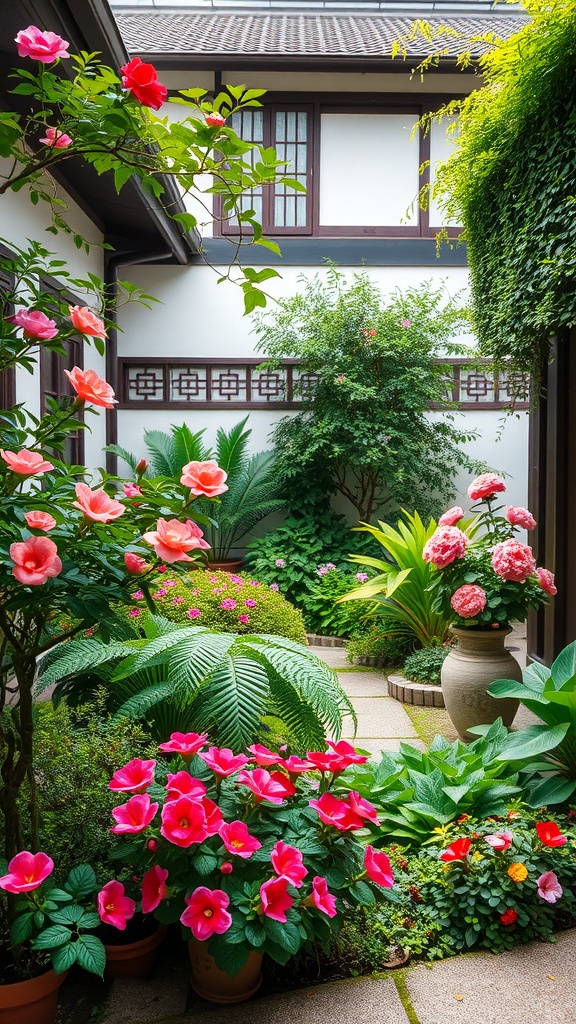
Color plays a big role in Zen gardens, creating a peaceful vibe. Bright flowers like pinks and greens bring life and warmth, inviting you to relax. The balance of colors helps to reflect the simplicity and beauty of nature, making these spaces truly special.
The Role of Bamboo in Japanese Gardens
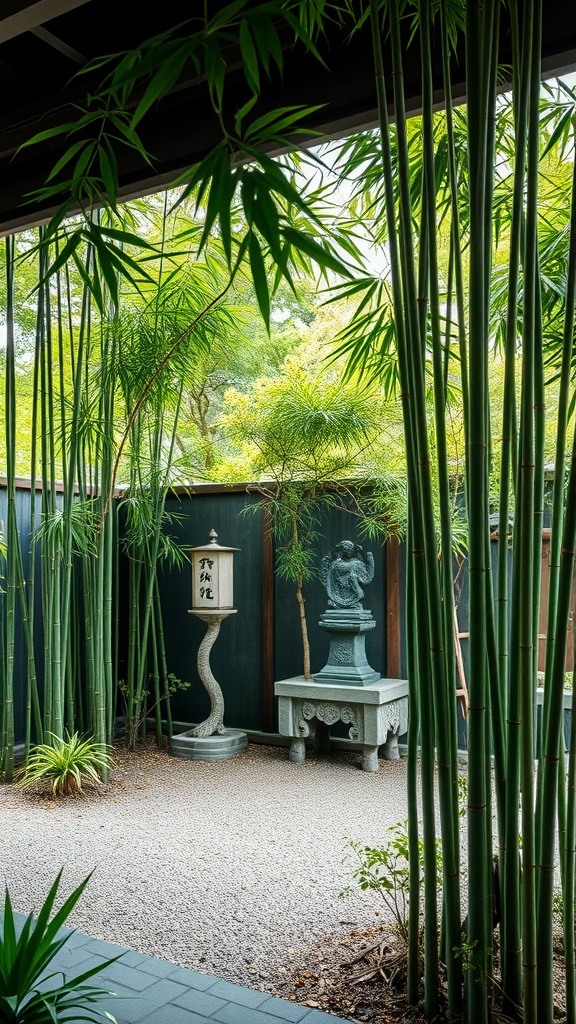
Bamboo plays a key role in Japanese gardens, adding both beauty and tranquility. Its tall, graceful stalks create a serene atmosphere, inviting visitors to pause and reflect. This natural element not only enhances the garden’s design but also symbolizes strength and flexibility in Japanese culture.
Creating Seasonal Displays
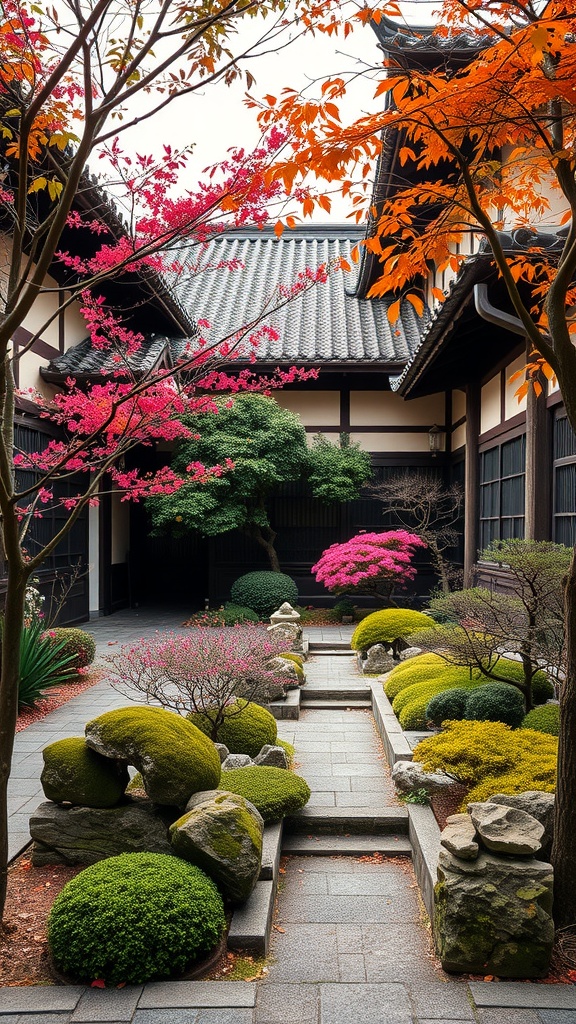
Japanese courtyard gardens are a feast for the eyes, especially when the seasons change. Each season brings new colors and textures, from vibrant cherry blossoms in spring to the warm hues of autumn leaves. This natural cycle creates a peaceful atmosphere that truly reflects the spirit of Zen.
The Connection Between Nature and Spirituality
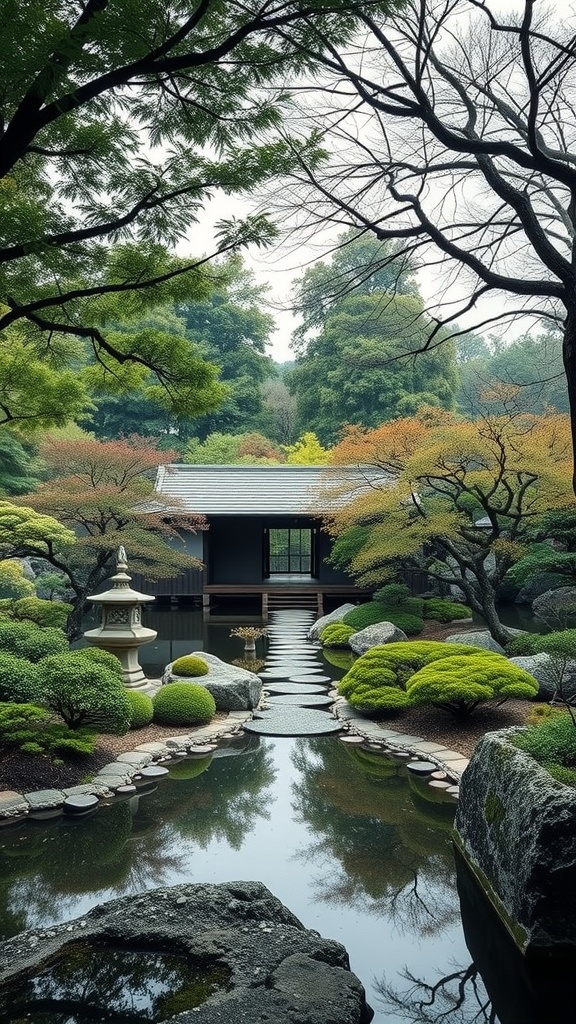
Japanese courtyard gardens beautifully blend nature and spirituality. The calm waters and carefully placed stones invite reflection and peace. Each element encourages a deeper connection to the natural world, making these spaces truly special.
The Sound of Water in Zen Environments
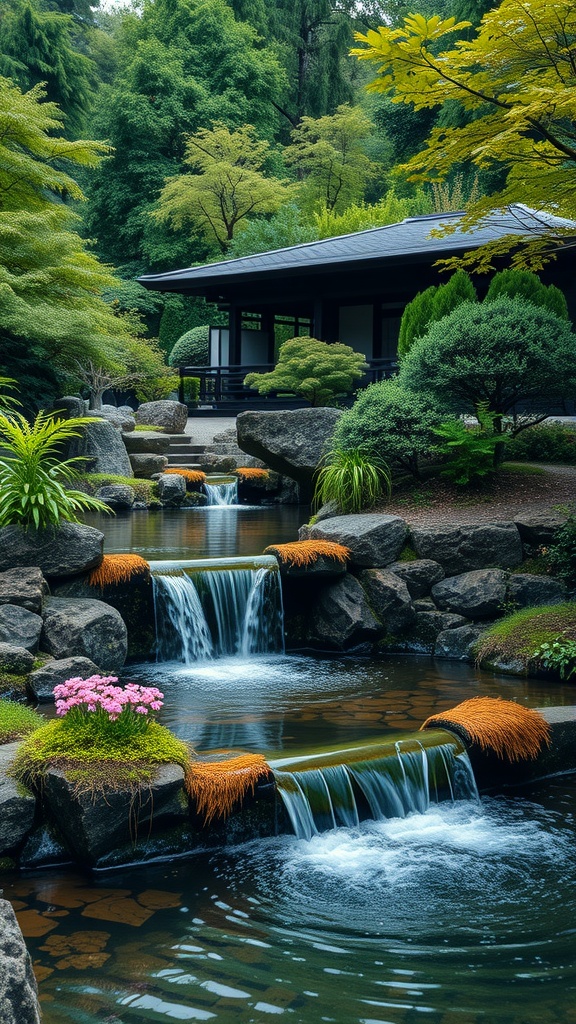
Water plays a key role in Japanese courtyard gardens, creating a soothing atmosphere. The gentle sound of flowing water helps to calm the mind and connect with nature. It invites visitors to pause and reflect, enhancing the overall Zen experience.
Designing a Zen Garden for Small Spaces
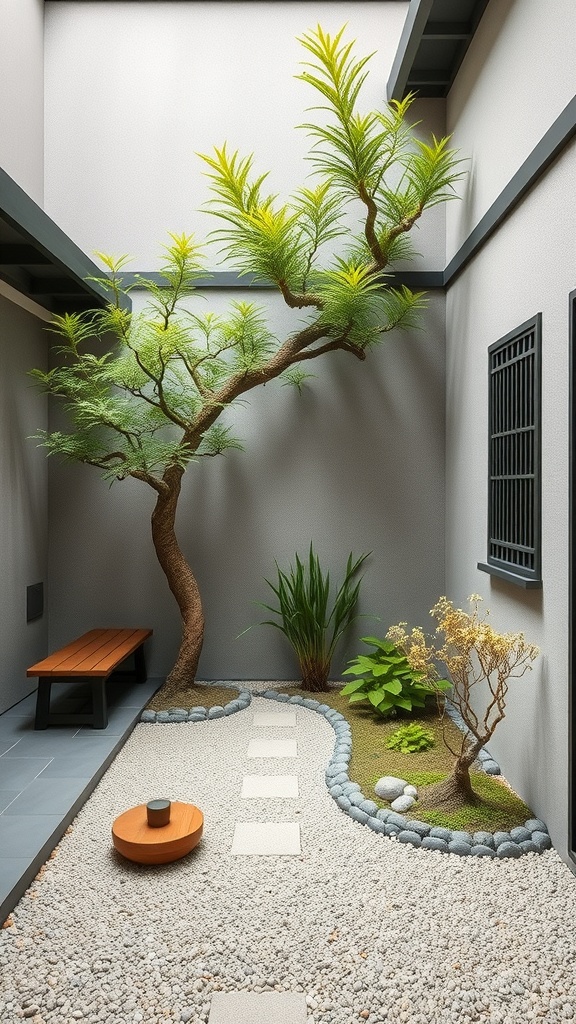
Creating a Zen garden in a small area can be simple and rewarding. Use natural elements like stones, plants, and a few wooden features to capture the essence of tranquility. A small bench can invite relaxation, making your space a perfect retreat.
Incorporating Stone Lanterns for Ambiance
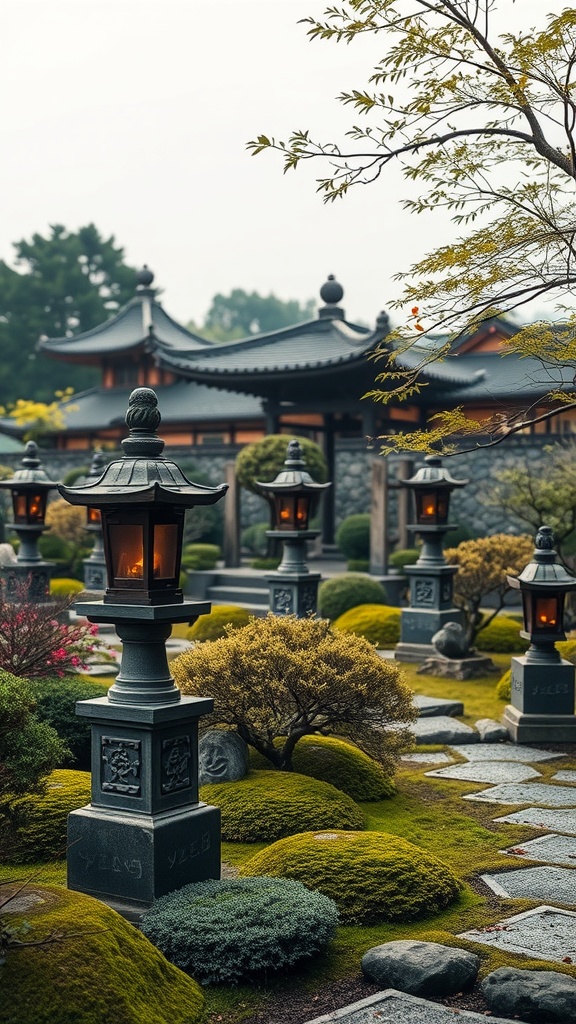
Stone lanterns add a unique charm to Japanese courtyard gardens. They create a warm glow that enhances the serene atmosphere, especially during the evening. Placing these lanterns thoughtfully can guide the eye and invite peaceful moments of reflection.
The Role of Flowers in Japanese Garden Aesthetics
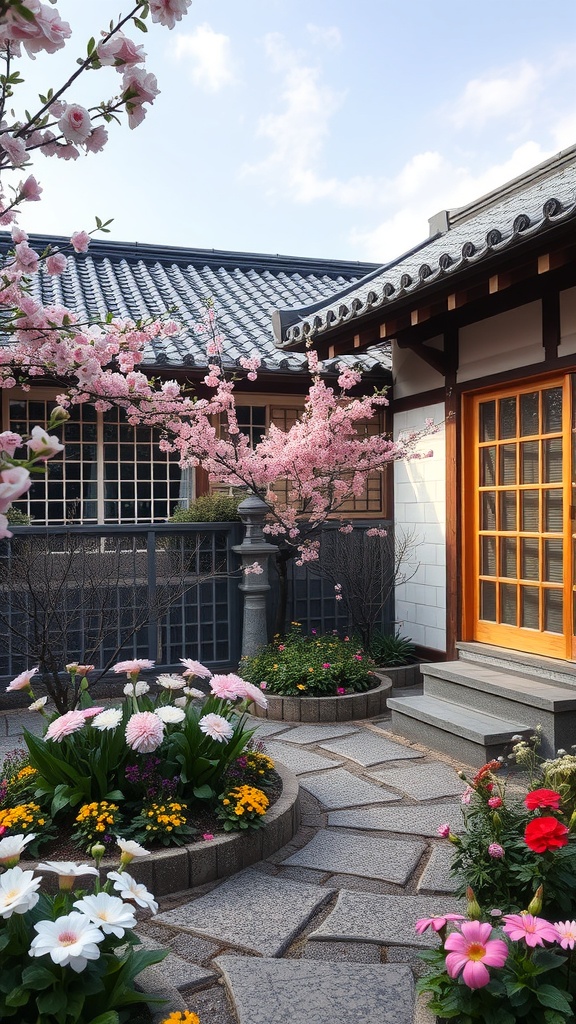
Flowers play a key role in Japanese gardens, adding beauty and color to the serene landscape. They symbolize the changing seasons and invite visitors to pause and reflect. From cherry blossoms to vibrant daisies, each bloom enhances the garden’s peaceful spirit.
The Importance of Maintenance in Zen Gardens
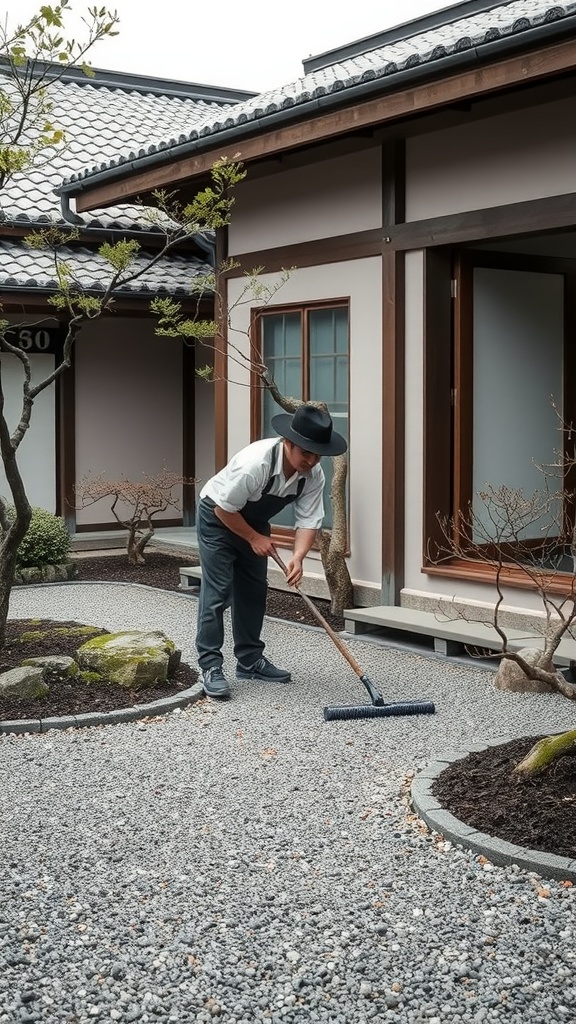
Maintaining a Zen garden is key to keeping its peaceful vibe alive. Regular care, like raking the gravel and tending to plants, helps create a serene space for reflection. A little effort goes a long way in preserving the garden’s beauty and spirit.
Creating a Sense of Privacy
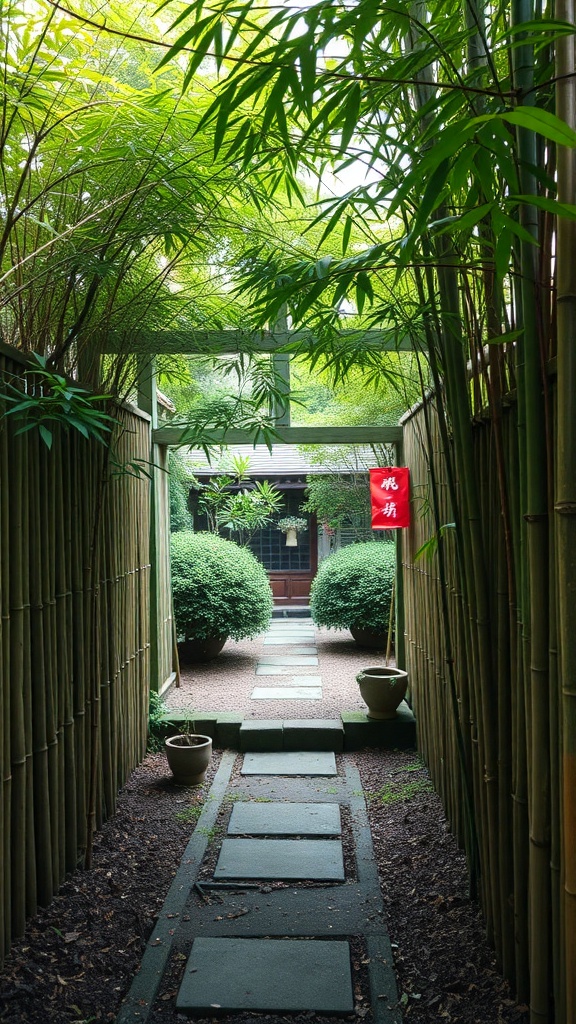
Japanese courtyard gardens are designed to offer a peaceful retreat. The bamboo and stone pathways create a cozy feeling, inviting you to explore while keeping the outside world at bay. This thoughtful layout helps you find your own little slice of tranquility.
The Impact of Wind on Garden Design
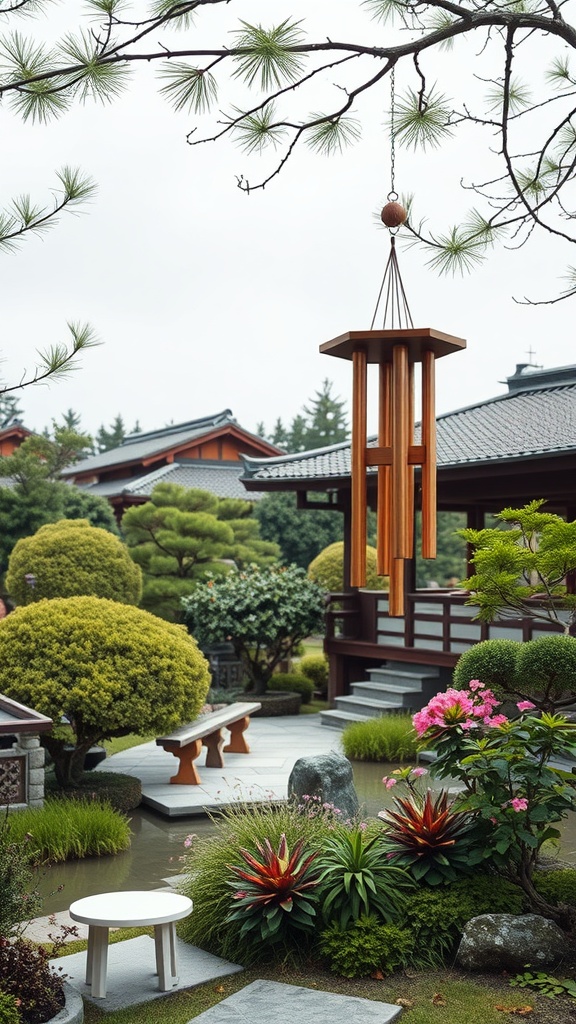
Wind plays a big role in shaping Japanese courtyard gardens. It influences how plants are arranged and how features like water and stones are placed. A gentle breeze can create a calming atmosphere, enhancing the Zen spirit of the space.
The Use of Color Theory in Plant Selection
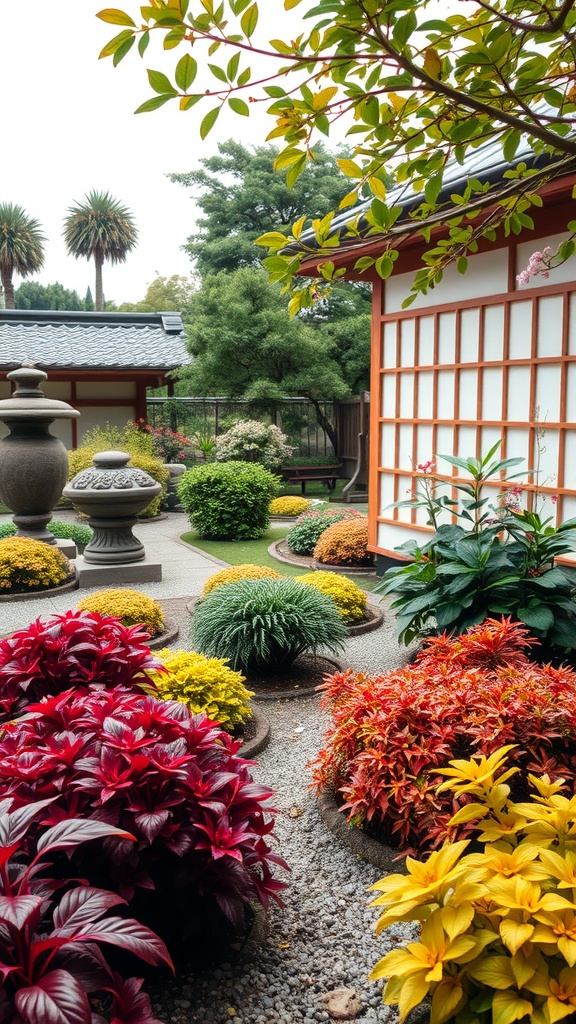
In Japanese courtyard gardens, color plays a key role in creating a peaceful vibe. Bright reds, yellows, and greens come together to form a harmonious balance that soothes the mind. Choosing plants with thoughtful colors can enhance the overall Zen experience, making every visit a refreshing escape.
The Use of Lighting in Japanese Gardens
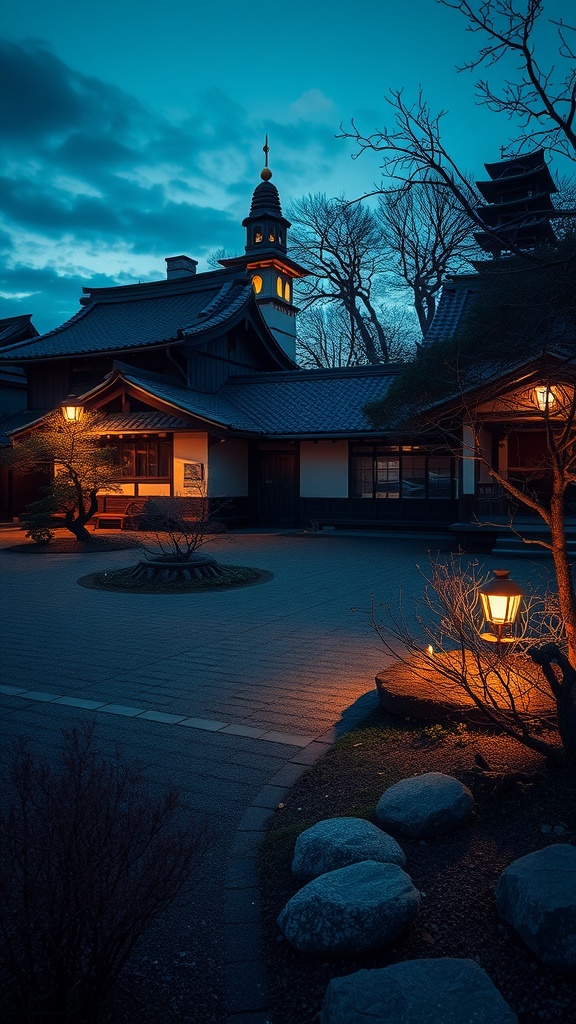
Lighting plays a key role in Japanese courtyard gardens, especially at dusk. Soft, warm lights create a cozy atmosphere, highlighting the beauty of the plants and stones. This gentle illumination invites visitors to pause and appreciate the serene surroundings.
The Influence of Zen Gardens on Modern Landscapes
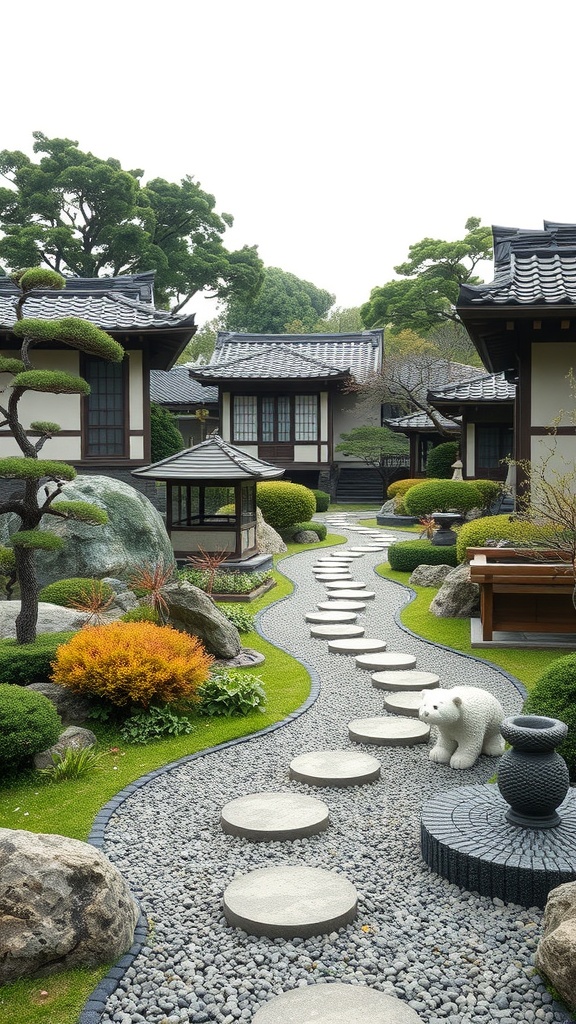
Zen gardens have a unique charm that inspires many modern landscapes. Their simple designs and natural elements create a peaceful vibe that people love. Incorporating these features can turn any space into a calming retreat.
Creating Harmony with Symmetry
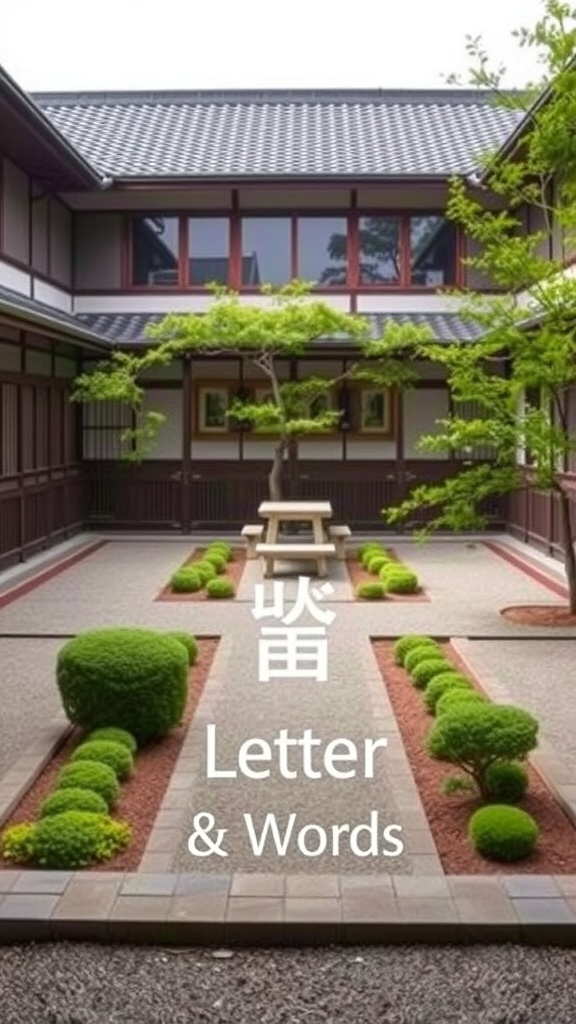
Japanese courtyard gardens beautifully showcase the art of symmetry. Each element, from the neatly trimmed shrubs to the stone pathways, works together to create a peaceful vibe. This balance invites visitors to pause and enjoy the serene atmosphere.
The Role of Seating Areas in Zen Gardens
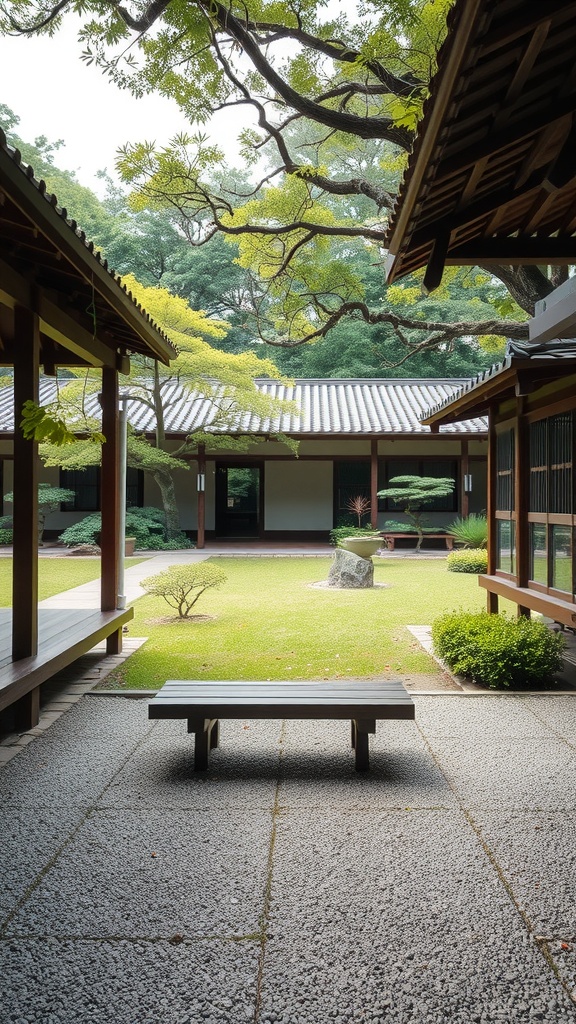
Seating areas in Zen gardens invite you to pause and soak in the beauty around you. A simple bench can become a perfect spot to reflect or enjoy a moment of peace. These spaces encourage mindfulness and connection with nature, making them essential in creating a serene atmosphere.
The Connection Between Zen Gardens and Mindfulness
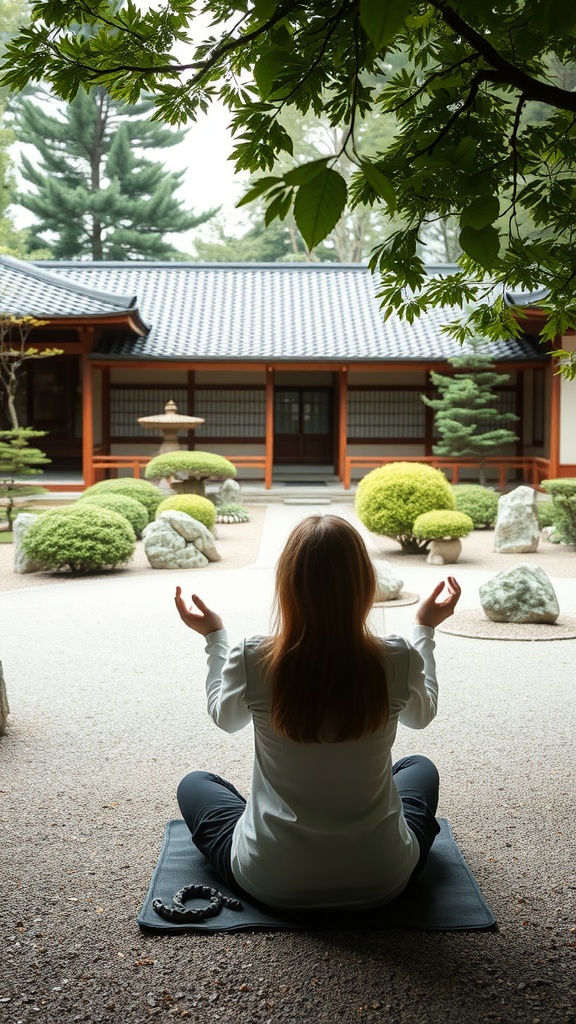
Zen gardens provide a peaceful space that encourages mindfulness. Sitting quietly among the carefully arranged stones and plants helps clear the mind. This simple act of being present can lead to a deeper sense of calm and awareness.
The Art of Raking Patterns in Gravel
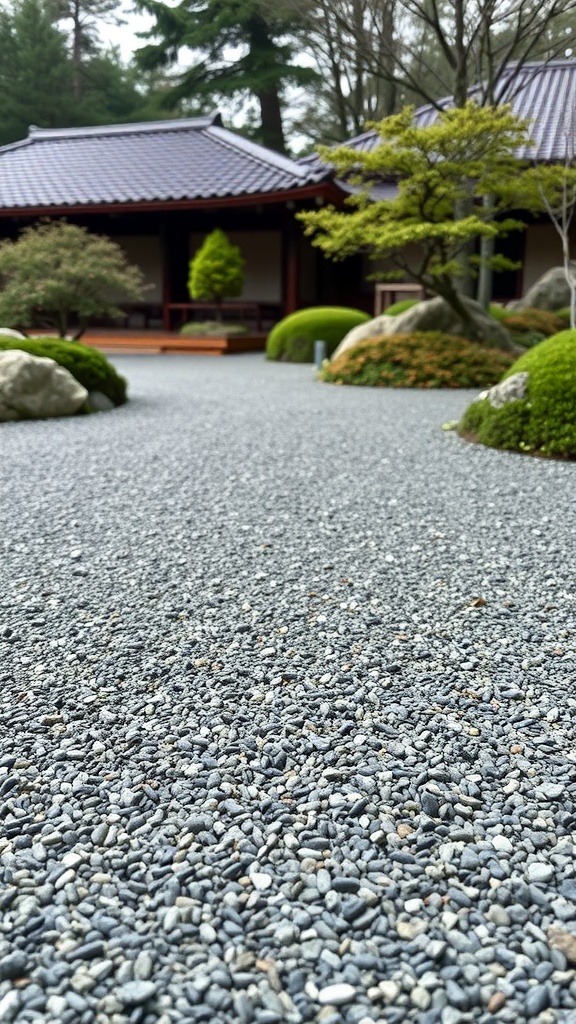
Raking patterns in gravel is a simple yet calming practice in Japanese courtyard gardens. Each line drawn in the gravel represents a moment of mindfulness and connection to nature. This art form not only beautifies the space but also invites a sense of peace and tranquility.
The Use of Natural Materials in Construction
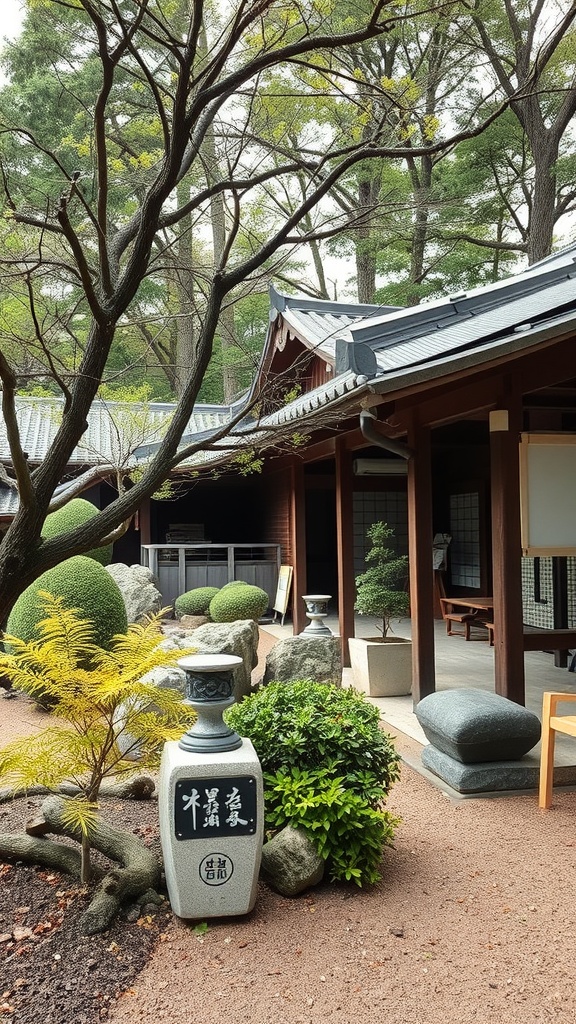
Japanese courtyard gardens beautifully showcase natural materials in their design. Wood, stone, and plants blend seamlessly to create a calming space. This connection to nature reflects the Zen spirit, inviting peace and tranquility.
The Influence of Zen Gardens on Personal Wellbeing
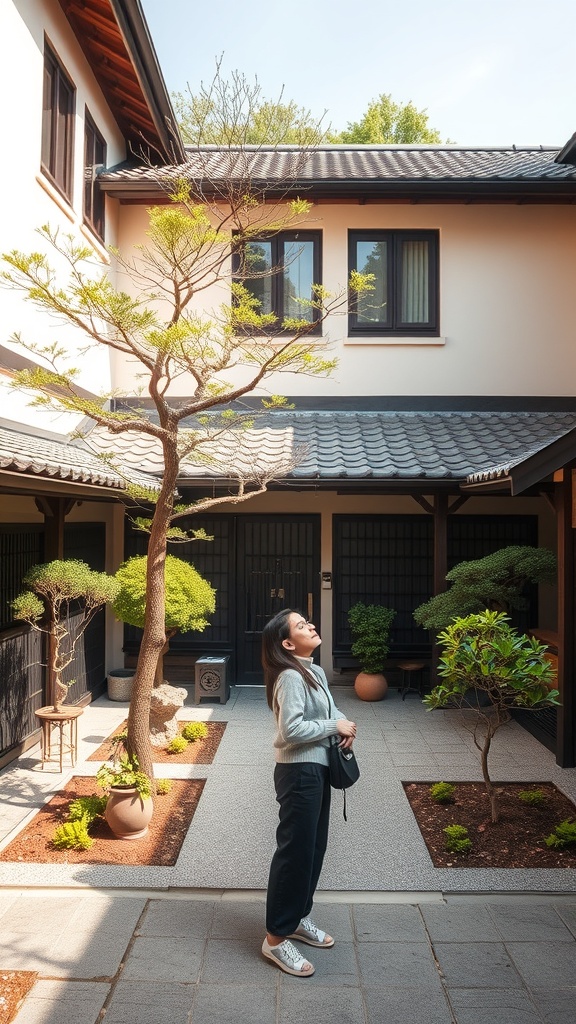
Zen gardens offer a peaceful retreat that can boost your mood and calm your mind. The simple beauty of nature encourages mindfulness and reflection, making it easier to let go of stress. Spending time in these serene spaces can help you feel more connected and centered in your daily life.
The Journey of Creating a Zen Garden
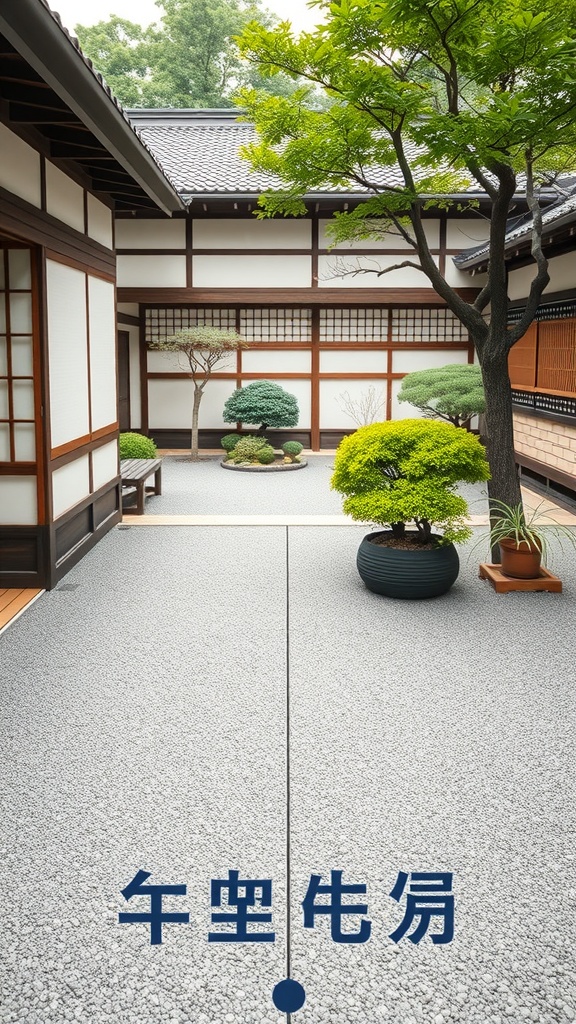
Creating a Zen garden is a peaceful process that invites you to connect with nature. You start by choosing simple elements like rocks, gravel, and plants to reflect balance and harmony. Each step is a chance to reflect, making the garden a personal retreat.
The Role of Seasons in Garden Maintenance
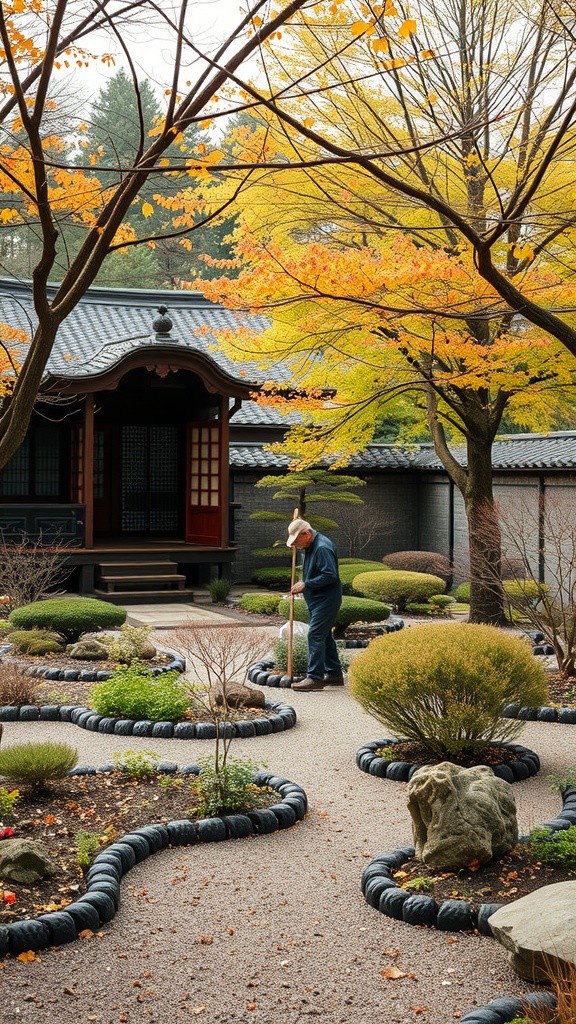
Seasons play a big part in how we care for Japanese courtyard gardens. In autumn, for example, leaves fall and create a colorful carpet, inviting a little extra raking. Each season brings its own tasks, keeping the garden alive and in harmony with nature.
The Spiritual Journey Through a Zen Garden
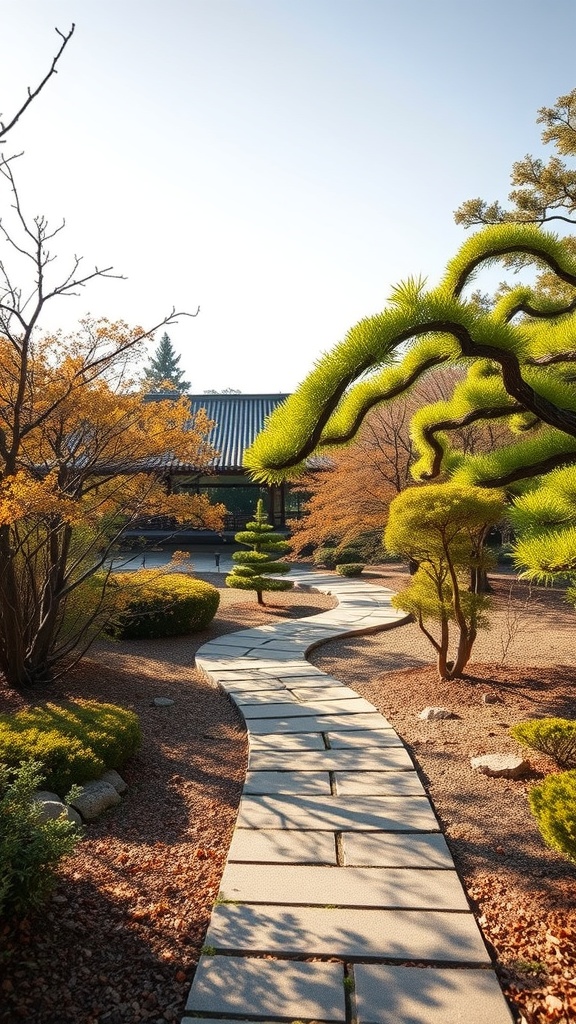
Walking through a Zen garden can feel like stepping into another world. The winding paths and carefully placed stones invite you to slow down and reflect. Each turn reveals new beauty, making it a perfect spot for quiet contemplation.
Serenity in Stone and Water
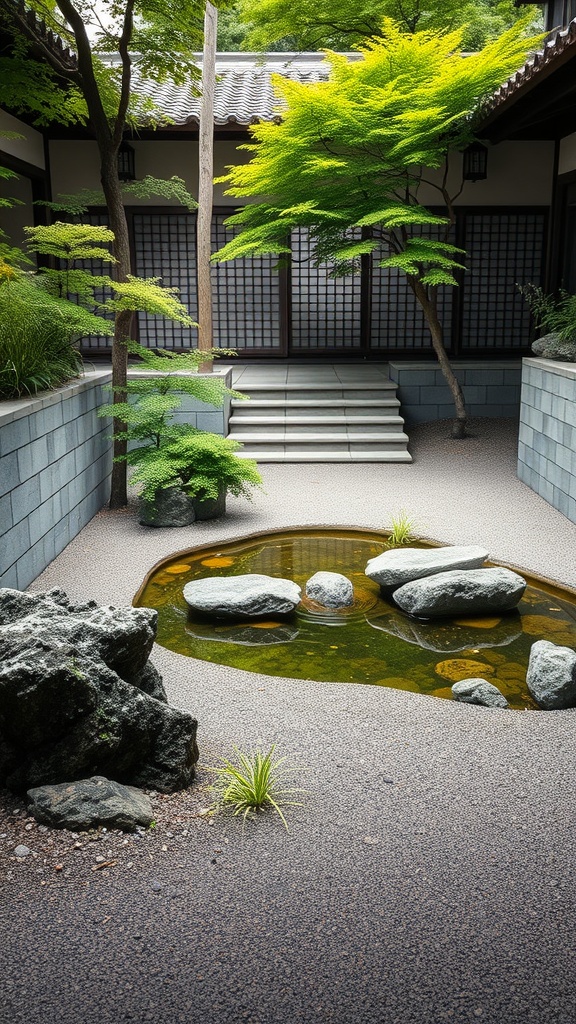
Japanese courtyard gardens beautifully blend stone and water to create a peaceful retreat. The gentle curves of the pond and the smooth stones invite relaxation and contemplation. These elements work together to reflect the essence of Zen, offering a calming escape from everyday life.