Japanese balcony gardens are a delightful way to blend nature with urban living while creating a serene escape right outside your door. These compact green spaces capture the essence of traditional Japanese design, showcasing harmony and simplicity through carefully selected plants, stones, and decorative elements. Perfect for anyone looking to add a touch of tranquility to their daily routine, these gardens invite relaxation and creativity, no matter the size of your balcony.
Water Features: Adding Calmness to Your Space
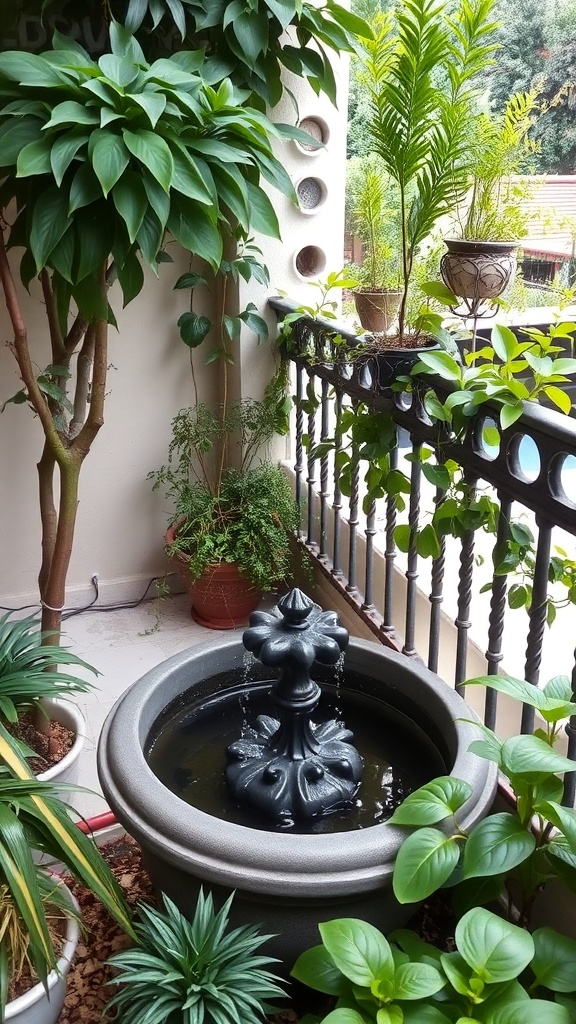
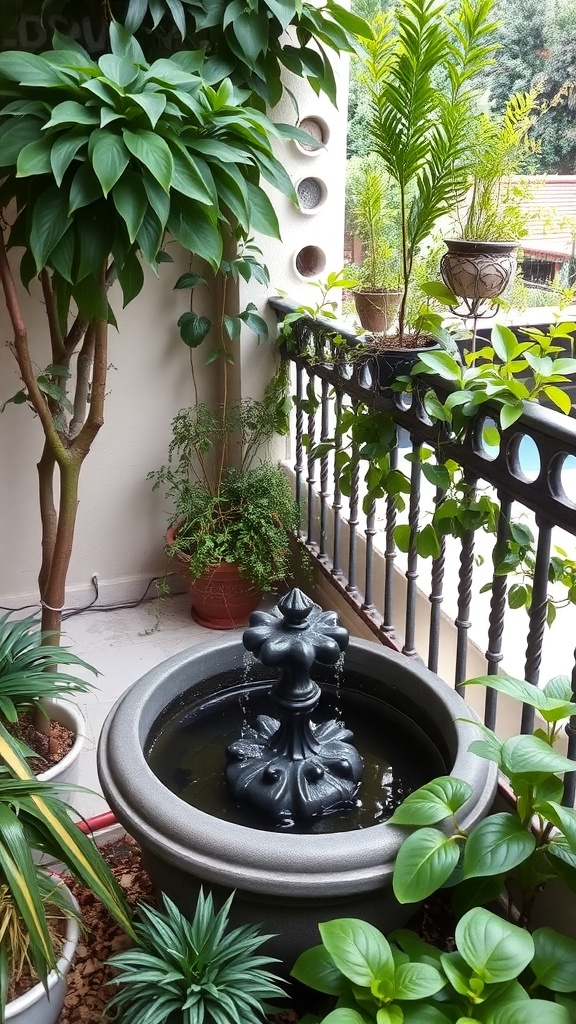
Water features can truly transform a balcony garden into a serene retreat. In the image, we see a charming fountain nestled among lush greenery. The gentle sound of water flowing creates a peaceful atmosphere, perfect for relaxation.
The fountain, with its elegant design, serves as a focal point. It draws the eye and invites you to pause and enjoy the moment. Surrounding plants add life and color, enhancing the overall tranquility of the space.
Incorporating a water feature like this can help drown out city noise, making your balcony a personal escape. Whether you choose a small fountain or a larger pond, the calming effect of water can elevate your outdoor experience.
Color Schemes: Embracing Nature’s Palette

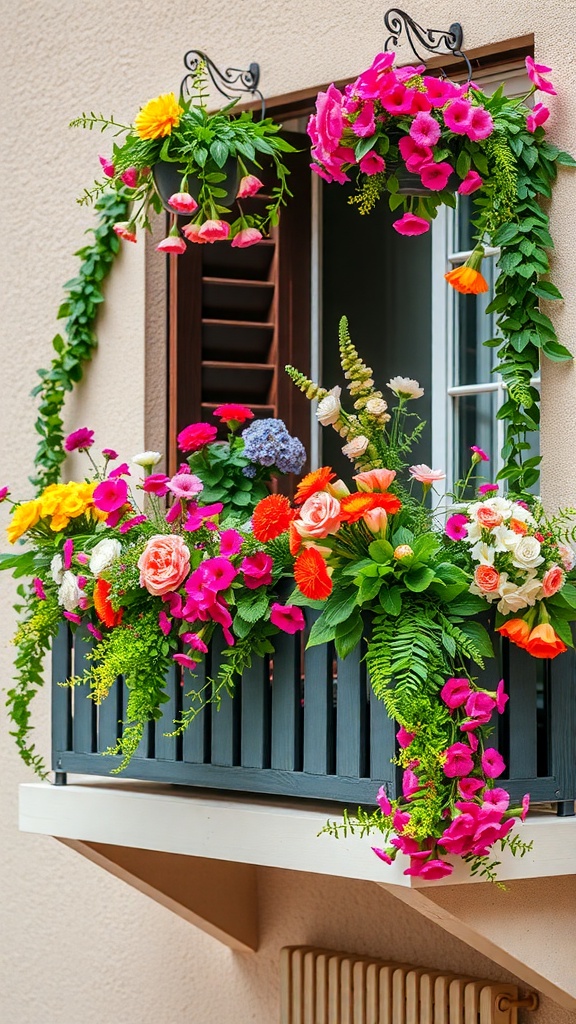
Japanese balcony gardens are a feast for the eyes, bursting with color and life. The image showcases a vibrant display of flowers, with hues ranging from bright pinks to sunny yellows. This lively mix creates a cheerful atmosphere that invites anyone to pause and appreciate the beauty of nature.
The arrangement of flowers is thoughtfully layered, with cascading blooms and lush greenery framing the balcony. This not only adds depth but also enhances the overall aesthetic. The use of contrasting colors, like the soft whites against bold reds and oranges, makes each flower stand out, creating a harmonious yet dynamic look.
Incorporating various shades can transform a simple balcony into a stunning garden. The key is to choose colors that complement each other while also reflecting personal style. Whether you prefer a monochromatic scheme or a riot of colors, the goal is to create a space that feels alive and inviting.
Essence of Zen: Creating Tranquility in Small Spaces

Japanese balcony gardens are a beautiful way to bring nature into your home, even in small areas. The image showcases a serene space with a small pond surrounded by smooth stones and a delicate tree. This setup invites calmness and peace, perfect for unwinding after a long day.
The combination of water, rocks, and greenery creates a balanced environment. The gentle sound of water can be soothing, making it an ideal spot for meditation or relaxation. The simplicity of the design reflects the Zen philosophy, emphasizing harmony and tranquility.
Incorporating elements like a small pond or carefully placed stones can transform any balcony into a personal retreat. Even a few plants can add life and color, enhancing the overall feel of the space. This approach allows you to enjoy the beauty of nature without needing a large garden.
The Role of Stone Lanterns in Japanese Gardens

Stone lanterns are a classic feature in Japanese gardens, adding both beauty and function. They often serve as focal points, guiding the eye through the landscape. The lantern in the image stands tall, showcasing intricate designs that reflect traditional craftsmanship.
As the sun sets, the warm glow from the lantern creates a cozy atmosphere. This lighting not only enhances the garden’s charm but also symbolizes peace and tranquility. In Japanese culture, lanterns are often placed along pathways, illuminating the way and inviting visitors to explore.
These lanterns can be made from various materials, but stone is the most common. Stone lanterns are durable and blend seamlessly with the natural surroundings. They often sit among plants, as seen in the image, where they complement the greenery beautifully.
Incorporating a stone lantern into your own garden can transform the space. It adds a touch of elegance and serves as a reminder of the serene beauty found in nature. Whether you’re creating a small balcony garden or a larger outdoor space, consider adding a lantern to enhance the overall experience.
Choosing the Right Plants for a Japanese Aesthetic

Creating a Japanese balcony garden is all about harmony and balance. The image shows a beautiful arrangement of plants that embody this aesthetic perfectly. You can see tall bamboo, delicate orchids, and lush ferns, all coming together to create a serene space.
When choosing plants, think about variety. Bamboo adds height and structure, while orchids bring in color and elegance. Ferns are great for filling in gaps and adding texture. Each plant plays a role in creating a peaceful atmosphere.
Consider the climate and sunlight on your balcony. Some plants thrive in bright light, while others prefer shade. Make sure to choose plants that will flourish in your specific conditions. This will help maintain the beauty of your garden.
Don’t forget about pots! The right containers can enhance the overall look. Choose simple, earthy tones that blend well with the plants. This keeps the focus on the greenery and creates a cohesive look.
Incorporating Bonsai Trees for Artistic Flair

Bonsai trees bring a unique charm to Japanese balcony gardens. Their intricate shapes and sizes make them perfect for small spaces. In the image, a beautifully styled bonsai sits in a traditional setting, showcasing the artistry involved in this ancient practice.
The bonsai’s twisted trunk and lush foliage create a striking focal point. This tree not only adds beauty but also symbolizes patience and dedication. Caring for a bonsai can be a rewarding experience, allowing you to connect with nature right from your balcony.
Incorporating bonsai trees into your garden can enhance the overall aesthetic. They can be placed on tables or stands, as seen in the image, to create layers and depth. Pairing them with lanterns or other decorative elements adds to the serene atmosphere.
Whether you’re a seasoned gardener or just starting, bonsai trees are a fantastic addition. They invite creativity and mindfulness, making your balcony a peaceful retreat.
Creating a Mini Zen Garden on Your Balcony

Creating a mini Zen garden on your balcony is a wonderful way to bring tranquility into your space. The image shows a beautifully arranged garden with fine white sand, smooth stones, and a small potted plant. This setup invites calmness and reflection.
The simplicity of the design is key. The sand represents the sea, while the stones symbolize mountains. You can use small rakes to create patterns in the sand, which can be a meditative activity. The little plant adds a touch of life, making the garden feel more vibrant.
To set up your own mini Zen garden, start with a shallow container filled with sand. Arrange a few stones and a small plant in a pot. Use a rake or even a stick to draw lines in the sand. This activity can be relaxing and a great way to unwind after a long day.
Remember, the goal is to create a space that feels peaceful and inviting. You can change the arrangement whenever you like, allowing your creativity to flow. Enjoy your little slice of nature right on your balcony!
Utilizing Vertical Space with Planters and Trellises

Balcony gardens can be a delightful addition to any home, especially in urban areas where space is limited. The image showcases a clever use of vertical space with planters and trellises. This setup not only maximizes the available area but also adds a lush, green aesthetic to the balcony.
The trellis in the image serves as a perfect backdrop for various plants. It allows vines and trailing plants to grow upward, creating a beautiful green wall. This is a smart way to bring nature closer to your living space without taking up too much floor area.
Using pots of different sizes and shapes adds character to the garden. The terracotta pots are not only functional but also provide a warm, earthy tone that complements the greenery. Mixing herbs, succulents, and flowering plants can create a vibrant display that is pleasing to the eye.
Incorporating vertical gardening techniques can also improve air quality and provide a calming environment. Whether you have a small balcony or a larger outdoor space, using planters and trellises can transform your area into a cozy retreat.
Creating a Cozy Seating Area with Japanese Influence

Imagine stepping onto a balcony that feels like a serene retreat. This cozy seating area captures the essence of Japanese design with its simple yet inviting layout. The use of tatami mats creates a warm and natural feel, perfect for relaxing or enjoying a cup of tea.
The small wooden table serves as a focal point, ideal for placing drinks or snacks. Surrounding it are comfortable cushions, inviting you to sit down and unwind. The potted plants add a touch of greenery, bringing life to the space while maintaining a minimalist aesthetic.
Lighting plays a key role here. The lantern softly illuminates the area, creating a peaceful atmosphere in the evenings. This cozy nook is not just a place to sit; it’s a space to enjoy quiet moments, read a book, or simply gaze at the view.
Balcony Privacy: Using Plants as Natural Screens

Creating a private space on your balcony can be a delightful task. The image shows a cozy balcony filled with lush greenery, providing a perfect example of how plants can act as natural screens. Tall plants and potted greenery surround the seating area, making it feel intimate and secluded.
Using plants for privacy not only enhances the look of your balcony but also offers a sense of tranquility. The vibrant leaves and textures create a calming atmosphere, inviting you to relax with a book or enjoy a cup of tea. The arrangement of the plants around the seating area is key; they form a natural barrier without blocking out all the light.
Consider incorporating a mix of tall and bushy plants to achieve this effect. Options like bamboo or tall ferns can create height, while smaller plants can fill in gaps. This combination not only provides privacy but also adds layers and depth to your balcony design.
Incorporating plants as screens is an easy way to transform your outdoor space. It allows you to enjoy the fresh air while feeling shielded from the outside world. So, grab some pots and start planting!
Lighting Options: Enhancing Ambiance in Your Garden
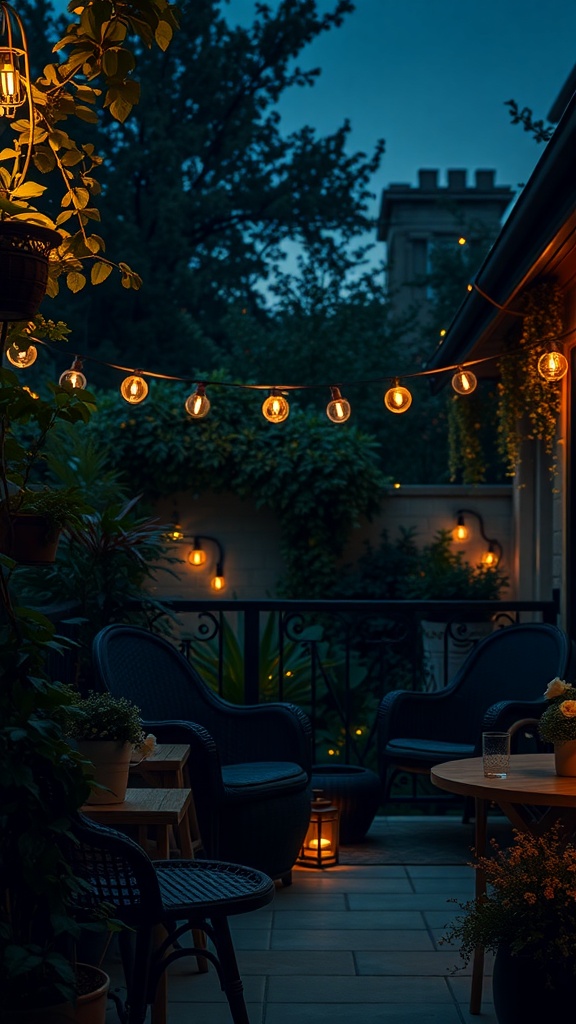
When it comes to Japanese balcony gardens, lighting plays a key role in creating a cozy atmosphere. The image shows a beautifully lit balcony, where warm lights hang gracefully, inviting you to relax and enjoy the space.
String lights are a popular choice for adding charm. They create a soft glow that enhances the natural beauty of plants and flowers. The lanterns scattered around the area provide a gentle illumination, perfect for evening gatherings.
Consider using different types of lighting to highlight various features of your garden. For instance, spotlights can draw attention to specific plants, while ambient lighting sets the overall mood. This mix can transform your balcony into a serene retreat.
Don’t forget about the placement of your lights. Hanging them at different heights can add depth and interest. The combination of natural and artificial light creates a warm, inviting space that feels like a little slice of paradise.
Incorporating Japanese Garden Statues and Ornaments
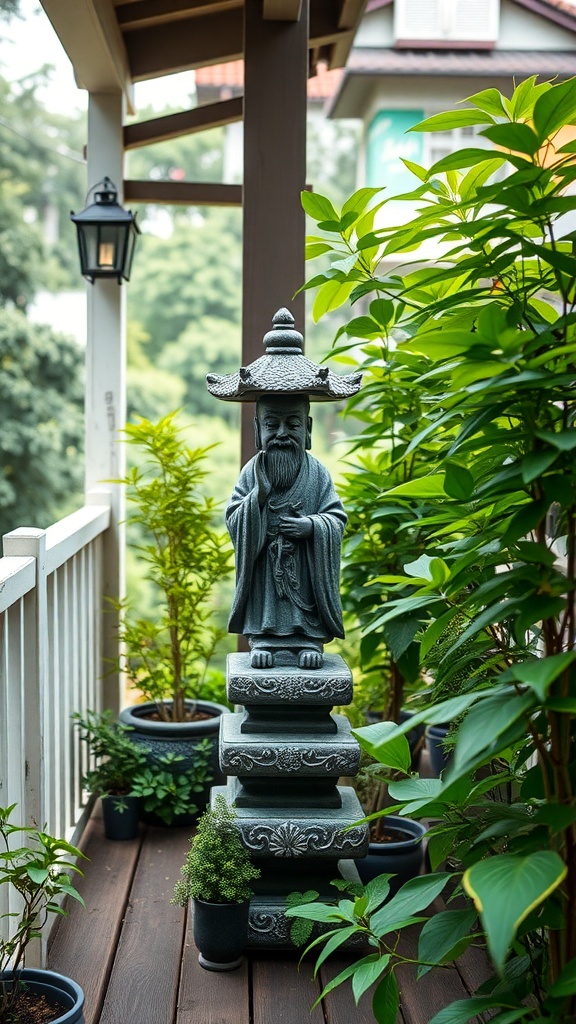
Japanese balcony gardens can be a peaceful escape, and adding statues and ornaments can enhance that tranquility. The image shows a beautiful statue standing proudly among lush greenery. This figure, often representing wisdom or serenity, adds character to the space.
Statues can serve as focal points in your garden. They draw the eye and invite curiosity. In this setup, the statue is surrounded by potted plants, creating a harmonious blend of nature and art. The thoughtful placement of the statue encourages a sense of balance.
When choosing ornaments, consider their meaning. Many Japanese statues symbolize qualities like patience or strength. This connection to nature and philosophy can make your balcony feel more intentional. Even a small statue can transform a simple space into a serene retreat.
Lighting is also key. The lantern beside the statue adds a warm glow, making the garden inviting during the evening. Incorporating soft lighting can create a cozy atmosphere, perfect for relaxation after a long day.
Seasonal Changes: Adapting Your Garden Year-Round

Japanese balcony gardens can be a delightful addition to any home. They bring a splash of color and a touch of nature right outside your window. The image shows a vibrant display of flowers in various pots, showcasing how beautiful a small space can be.
To keep your balcony garden thriving throughout the seasons, consider the types of plants you choose. In spring, opt for cheerful blooms like daisies and geraniums. These flowers not only brighten up your space but also thrive in the warmer weather.
As summer rolls in, you can introduce more tropical plants. Bright orange and yellow flowers can create a sunny vibe. Don’t forget to water them regularly, as the heat can dry out the soil quickly.
When autumn arrives, consider adding some seasonal decorations. Mums and ornamental grasses can create a cozy atmosphere. You can also start preparing your plants for the colder months by bringing them indoors or covering them if they are sensitive to frost.
Winter may seem challenging, but there are still options. Evergreens can provide greenery even in the cold. You can also use fairy lights to add warmth and charm to your balcony during the chilly evenings.
By adapting your garden to the seasons, you can enjoy a beautiful balcony year-round. Each season brings its own unique beauty, making your space feel fresh and inviting.
Using Colorful Ceramics for Planters

Colorful ceramics can really brighten up any balcony garden. They add a splash of personality and charm to your outdoor space. In the image, you can see a lovely row of ceramic planters, each with its own unique design and color. The vibrant hues of the pots complement the colorful flowers beautifully.
These planters not only serve as a home for your plants but also act as decorative pieces. The mix of shapes and patterns creates a visually appealing display. You can choose pots that match your style or mix and match for a more eclectic look. The key is to have fun with it!
When selecting ceramic planters, consider their size and drainage. It’s important to ensure your plants have enough room to grow. Plus, good drainage helps prevent overwatering. With the right planters, your balcony can become a lively and inviting space.
The Importance of Pathways in Small Gardens

Pathways play a big role in small gardens, especially in spaces like Japanese balcony gardens. They guide visitors through the greenery, creating a sense of flow and connection. In the image, you can see a charming pathway made of stones, winding its way through lush plants. This design invites you to explore every corner of the garden.
Having a clear path helps to define the space. It separates different areas while still keeping everything connected. The pathway in the image not only looks beautiful but also serves a practical purpose. It allows easy access to plants and seating areas, making the garden more enjoyable.
In small gardens, every inch counts. A well-designed pathway can make the space feel larger and more open. The gentle curves of the path in the image create a sense of movement, drawing the eye and encouraging you to stroll through the garden. This can transform a compact area into a delightful retreat.
Moreover, pathways can enhance the overall aesthetics of the garden. They can be made from various materials, like stone or wood, and can complement the plants around them. In the image, the earthy tones of the stones blend beautifully with the greenery, creating a harmonious look.
In summary, pathways are essential for small gardens. They provide structure, enhance beauty, and invite exploration. Whether you have a balcony garden or a tiny backyard, a well-planned path can make all the difference.
Integrating a Tea Space: Enjoying Nature’s Serenity

Imagine stepping onto your balcony and finding a cozy tea space surrounded by vibrant flowers. This setup invites you to take a moment for yourself. A small table, adorned with a delicate lace tablecloth, holds a charming teapot and matching cups. The floral design on the china adds a touch of elegance.
The balcony is alive with color, thanks to potted plants bursting with blooms. Roses, daisies, and other flowers create a cheerful atmosphere. This is more than just a tea space; it’s a peaceful retreat where you can sip your favorite brew while enjoying the beauty of nature.
Creating a tea space like this encourages relaxation. Whether you prefer a quiet morning or an afternoon break, this little corner can be your escape. The gentle sounds of nature and the sight of flowers can lift your spirits and help you unwind.
So, why not set up your own tea space? A few potted plants, a small table, and your favorite tea set can transform your balcony into a serene getaway. Enjoying a cup of tea surrounded by nature is a simple pleasure that brings joy to everyday life.
Creating a Sense of Balance with Symmetry

In Japanese balcony gardens, symmetry plays a key role in creating a calming atmosphere. The image showcases various plants arranged thoughtfully, each pot contributing to a balanced look. You can see a mix of shapes and sizes, from tall leafy plants to compact flowers, all harmonizing beautifully.
The use of symmetry is not just about aesthetics; it also brings a sense of peace. When you step onto a balcony filled with neatly arranged greenery, it feels inviting. The plants are positioned in a way that draws the eye across the space, making it feel larger and more open.
Notice how the hanging plants add depth to the scene. They soften the hard edges of the balcony, creating a cozy nook. This layering effect enhances the overall balance, making the space feel complete. Whether you’re a seasoned gardener or just starting, incorporating symmetry can elevate your balcony garden.
Creating a Focal Point with Unique Features

Japanese balcony gardens are a wonderful way to bring nature into small spaces. In this image, you can see a stunning arrangement of plants that create a vibrant focal point. The tall, striking plant in the center draws the eye immediately. Its bold colors and unique shape stand out against the backdrop of the balcony.
Surrounding this centerpiece are various other plants in different pots. Each plant adds texture and depth to the garden. The mix of greens and the pop of red from the central plant create a lively atmosphere. This combination showcases how you can use unique features to enhance your balcony’s appeal.
Incorporating plants of different heights and colors is key to creating visual interest. The way these plants are arranged not only makes the space feel fuller but also invites a sense of tranquility. A well-placed focal point, like the tall plant here, can transform an ordinary balcony into a serene retreat.
Sustainable Gardening Practices for Urban Spaces
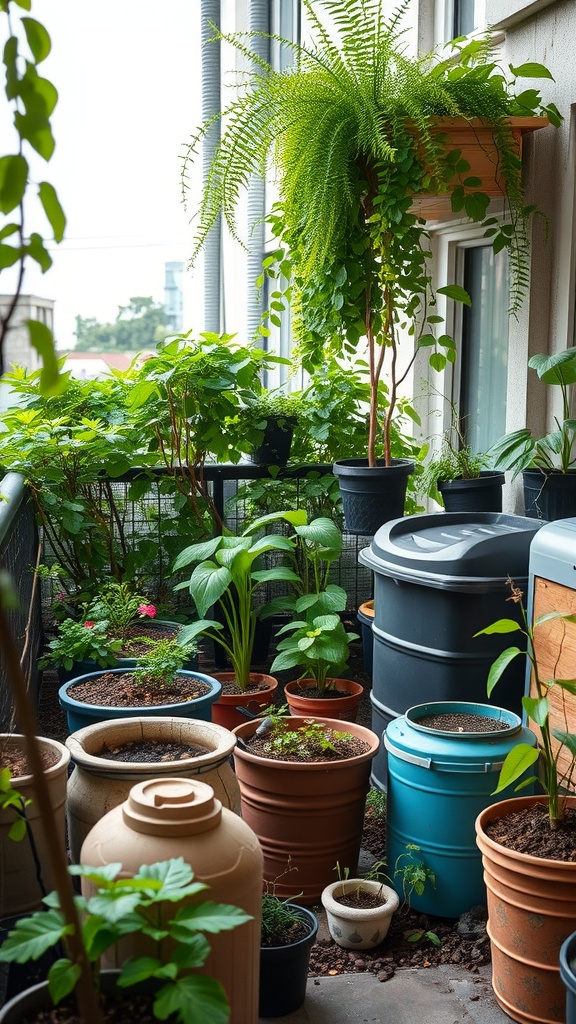
Balcony gardens are a fantastic way to bring greenery into urban living. The image shows a vibrant balcony filled with various plants in pots, showcasing how even small spaces can be transformed into lush retreats. This setup not only beautifies the environment but also contributes to sustainability.
Using pots of different sizes, the balcony features a mix of ferns, leafy plants, and colorful flowers. This diversity can attract pollinators and create a mini-ecosystem right at home. It’s a great reminder that you don’t need a large yard to enjoy gardening.
Incorporating sustainable practices is key. Using organic soil and natural fertilizers helps maintain plant health without harming the environment. Collecting rainwater for irrigation is another simple way to conserve resources. Every little effort counts in making urban gardening more eco-friendly.
Lastly, consider growing herbs or vegetables. They not only add freshness to meals but also reduce the carbon footprint associated with transporting food. A balcony garden can be both a personal sanctuary and a step towards a greener lifestyle.
The Art of Pruning: Maintaining Plant Health

Pruning is a key part of keeping your balcony garden thriving. In the image, you can see a cozy space filled with various potted plants. Each plant has its own unique shape and size, showcasing the beauty of a well-maintained garden.
Regular pruning helps remove dead or overgrown branches. This encourages new growth and keeps plants healthy. For example, the leafy green plants in the foreground benefit from trimming to promote fuller foliage.
It’s also important to shape your plants. This not only enhances their appearance but also allows better air circulation. The taller plants in the back can be pruned to maintain a balanced look with the shorter ones in front.
Using sharp, clean tools is essential for effective pruning. This prevents damage to the plants and reduces the risk of disease. After pruning, you might notice your plants looking fresher and more vibrant.
So, grab those pruning shears and give your balcony garden the attention it deserves. A little care goes a long way in maintaining plant health!
Using Aromatic Herbs for a Functional Garden

Creating a balcony garden is a fun way to bring nature into your home. In this image, we see a lovely setup filled with various aromatic herbs. These plants not only look great but also serve practical purposes.
Herbs like basil, thyme, and mint are perfect for small spaces. They thrive in pots and can be easily cared for. The vibrant green leaves add a refreshing touch to any balcony. Plus, they can be used in cooking, making your meals more flavorful.
Hanging plants, as shown here, can save space and add visual interest. They create a lush atmosphere while keeping your herbs accessible. Imagine stepping out onto your balcony and snipping fresh herbs for your dinner!
With just a few pots, you can create a mini herb garden. It’s a simple way to enjoy gardening, even in a small area. This setup shows how easy it is to incorporate greenery into your daily life.
Incorporating Seasonal Fruits and Vegetables

Balcony gardens can be a delightful way to grow your own seasonal fruits and vegetables. The image shows a vibrant setup with various plants, showcasing how even small spaces can yield a bountiful harvest.
In the foreground, you see pots filled with ripe tomatoes and fresh herbs. These are perfect for adding flavor to your meals. Tomatoes are easy to grow and thrive in sunny spots, making them a great choice for balcony gardening.
Next to the tomatoes, there are leafy greens in a decorative pot. These greens can be harvested regularly, providing fresh salads right from your balcony. They grow quickly and can be planted in succession for continuous harvests.
The arrangement also includes a vertical planter with strawberries, which not only saves space but adds a touch of charm. Strawberries are a sweet treat that can be enjoyed fresh or used in desserts.
Incorporating seasonal fruits and vegetables into your balcony garden not only enhances your cooking but also brings a sense of accomplishment. Watching your plants grow and produce food can be incredibly rewarding.
Incorporating Seasonal Festivals into Your Garden

Japanese balcony gardens can be a delightful way to celebrate seasonal festivals. The image shows a balcony adorned with vibrant red lanterns and colorful flowers, creating a festive atmosphere. These decorations are often seen during celebrations like the Lunar New Year or Hanami, where people appreciate the beauty of cherry blossoms.
To incorporate seasonal festivals into your garden, consider using traditional decorations. Lanterns, like those in the image, can add a warm glow to your space. They are not just beautiful; they also symbolize good fortune. Hanging them during festivals brings a sense of joy and celebration.
Flowers play a big role too. Bright blooms can reflect the colors of the season. For instance, cherry blossoms are a must during spring. You can also use potted plants with seasonal flowers to keep your balcony lively throughout the year.
Lastly, don’t forget about the little details. Adding ribbons and small ornaments can enhance the festive feel. These touches can make your balcony a charming spot for gatherings or quiet moments of reflection during special times.
The Role of Color in Japanese Garden Design

Color plays a big part in Japanese garden design, and this image shows just how beautiful it can be. The vibrant flowers in various shades of pink, red, and yellow create a lively atmosphere. Each color brings its own energy, making the space feel welcoming and cheerful.
In Japanese gardens, colors are often chosen for their symbolism. For example, red can represent happiness and good fortune, while pink often symbolizes love and affection. The mix of these colors in the balcony garden adds depth and meaning to the design.
Plants like the pink roses and bright daisies not only catch the eye but also invite a sense of peace. The greenery surrounding the flowers balances the bright colors, creating a harmonious look. This balance is key in Japanese design, where nature and human-made elements coexist beautifully.
Overall, the colors in this balcony garden highlight the importance of thoughtful design in creating a serene and inviting space. Whether you have a small balcony or a larger garden, incorporating colorful plants can transform your outdoor area into a vibrant retreat.
Creating a Minimalist Garden with Japanese Influence

Japanese balcony gardens are a great way to bring a touch of nature to your home. The image shows a simple yet beautiful arrangement of plants on a balcony. Each pot has its own unique shape and color, creating a harmonious look.
The plants chosen reflect a minimalist style. The clean lines of the balcony and the white walls provide a perfect backdrop. This allows the greenery to stand out without overwhelming the space.
Incorporating elements like bamboo or small stones can enhance the Japanese influence. These materials add texture and can be arranged to create a peaceful atmosphere. A few carefully placed plants can transform a small area into a serene retreat.
Consider using pots in different heights to add visual interest. This layering effect mimics the natural landscapes often seen in Japanese gardens. With just a few plants, you can create a calming space that invites relaxation.
Using Natural Materials for Garden Decor

Creating a balcony garden is a delightful way to bring nature into your home. Using natural materials for decor can enhance the beauty of your space. In the image, we see a charming setup with various plants and pots made from earthy materials.
The wooden panel adds warmth and a rustic feel, while the greenery climbs gracefully. This combination of textures creates a cozy atmosphere. The use of clay and woven baskets for pots not only looks great but also helps plants thrive.
Incorporating natural elements like stone or wood can make your garden feel more connected to the outdoors. Consider adding a few decorative stones or a small wooden bench for a touch of charm. These simple additions can transform your balcony into a serene retreat.
The Influence of Japanese Culture on Garden Design

Japanese balcony gardens reflect a deep connection to nature and a sense of tranquility. This image captures a serene space filled with greenery, showcasing the beauty of Japanese aesthetics.
The wooden railing and stone tiles create a welcoming atmosphere. The carefully placed plants, including a small tree and various pots, highlight the importance of balance and harmony in Japanese garden design.
Decorative elements, like the dragon-shaped planter, add a touch of whimsy while maintaining cultural significance. The calligraphy in the background suggests a story or philosophy, emphasizing the narrative aspect of garden spaces in Japan.
Overall, this balcony garden embodies the essence of Japanese culture, where every detail is thoughtfully arranged to promote peace and reflection.
Incorporating Seasonal Decorations
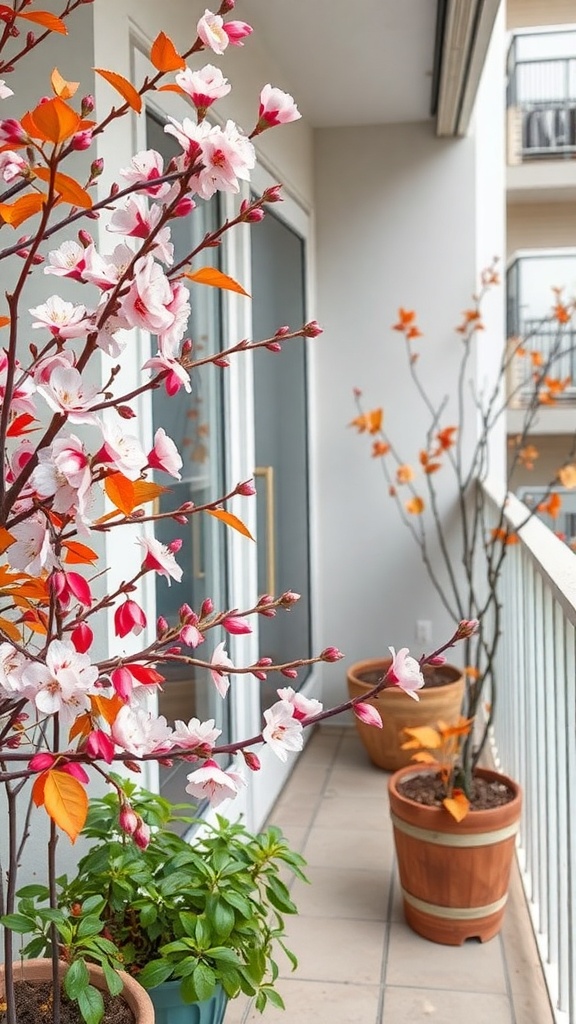
Japanese balcony gardens are a beautiful way to bring nature into your living space. This image shows a lovely balcony adorned with blooming cherry blossoms and vibrant autumn leaves. The mix of colors creates a cheerful atmosphere, perfect for enjoying the changing seasons.
To incorporate seasonal decorations, think about the plants you choose. In spring, cherry blossoms can add a soft touch, while autumn brings warm hues with orange leaves. You can also use decorative pots that match the season, enhancing the overall look.
Adding small ornaments or lanterns can give your balcony a cozy feel. These can be easily swapped out as the seasons change, keeping your space fresh and inviting. Remember, the key is to create a space that reflects the beauty of nature throughout the year.
Creating a Sense of Flow in Your Space
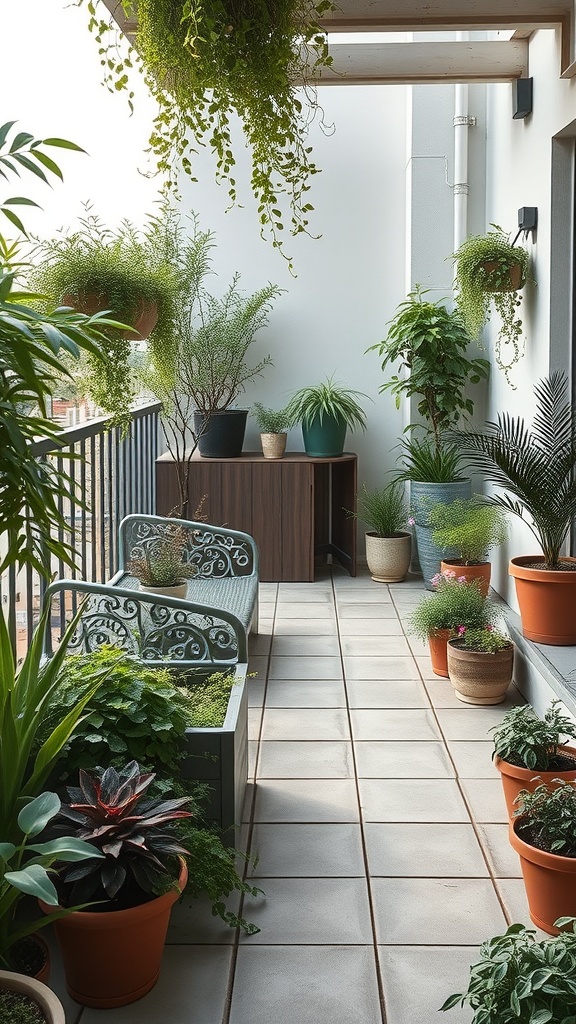
Japanese balcony gardens are a wonderful way to bring nature into your home. The image shows a beautifully arranged balcony filled with various plants. The greenery creates a calming atmosphere, perfect for relaxation.
To achieve a sense of flow, consider the layout of your plants. Grouping them by height and texture can create visual interest. For example, taller plants can be placed at the back, while shorter ones can fill in the front. This layering effect draws the eye and makes the space feel more inviting.
Using different types of pots can also add to the flow. Mixing materials like ceramic, terracotta, and metal can create a dynamic look. Just make sure the colors complement each other to maintain harmony.
Don’t forget about seating! A cozy bench or a couple of chairs can encourage you to spend time in your balcony garden. Position them to face the plants, creating a natural focal point. This setup invites relaxation and enjoyment of your green space.
Incorporating Wildlife-Friendly Elements

Japanese balcony gardens can be a delightful way to connect with nature, even in urban settings. The image showcases a vibrant balcony filled with colorful flowers and plants. Among them, a charming bird adds life and movement to the scene. This blend of flora and fauna creates a welcoming atmosphere for both residents and wildlife.
To make your balcony garden more wildlife-friendly, consider adding native plants. These plants attract local birds, butterflies, and beneficial insects. Hanging pots, like those in the image, are perfect for maximizing space while providing shelter and food for these creatures.
Another great idea is to include water sources. A small birdbath can be a refreshing spot for birds to drink and bathe. This simple addition can significantly enhance the biodiversity of your balcony garden.
Lastly, avoid using pesticides. They can harm not just pests but also the helpful insects that contribute to a healthy garden. Embracing a more natural approach will create a thriving environment for wildlife.
Choosing the Right Furniture for Comfort and Style
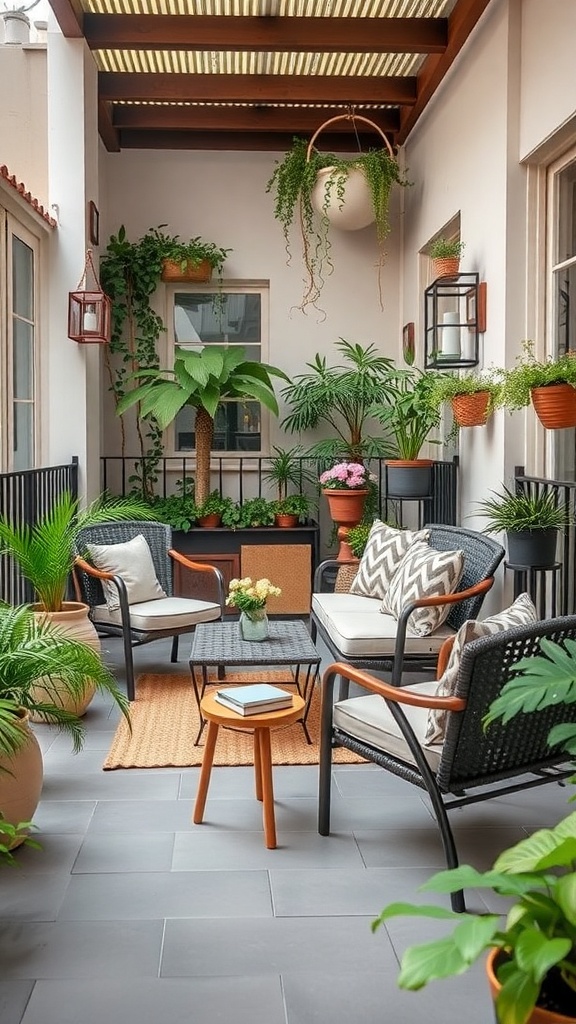
Creating a cozy balcony garden is all about the right furniture. In the image, you can see a lovely setup that combines comfort with style. The chairs are inviting, with soft cushions that promise relaxation. A small table sits in the center, perfect for drinks or a good book.
When picking furniture, think about the materials. The black wicker chairs in the picture add a modern touch while being durable. Pairing them with a natural wood table brings warmth to the space. This mix of textures can make your balcony feel more inviting.
Don’t forget about the layout! The arrangement here allows for easy movement and conversation. You want to create a space where you can enjoy your plants and the fresh air. Adding a few decorative elements, like the hanging plants and lanterns, can enhance the overall vibe.
Lastly, consider your personal style. Whether you prefer a minimalist look or something more vibrant, your furniture should reflect that. The right pieces can transform your balcony into a stylish retreat.
The Joy of Gardening: Mental Health Benefits

Gardening can be a wonderful escape. The image shows a person tending to a balcony garden filled with colorful flowers and greenery. This setting is a perfect example of how even small spaces can bring joy and tranquility.
Engaging with plants can lift your spirits. The act of nurturing flowers and herbs creates a sense of purpose. Watching them grow can be incredibly rewarding, offering a boost to mental well-being.
Spending time outdoors, even on a balcony, connects you with nature. The fresh air and sunlight can improve your mood and reduce stress. It’s a simple way to find peace in a busy world.
Plus, gardening encourages mindfulness. Focusing on the task at hand helps clear your mind. It’s a great way to practice being present and enjoying the moment.
Engaging the Senses: Textures and Scents in Your Garden

Japanese balcony gardens are a delightful way to bring nature into your living space. The image showcases a variety of plants, each with unique textures and shapes. From the spiky leaves of succulents to the smooth surfaces of other greenery, these plants create a visual feast.
Textures play a big role in how we experience a garden. The contrast between soft and spiky leaves can be very engaging. Imagine running your fingers over the different surfaces, feeling the roughness of a cactus next to the smoothness of a succulent. This tactile experience adds depth to your garden.
Scents are another important aspect. While the image doesn’t show flowers, many of these plants can produce lovely fragrances. Herbs like basil or mint can add a fresh scent, while flowering plants might bring sweet notes. Incorporating fragrant plants can make your balcony a sensory haven.
Creating a balance of textures and scents can transform your balcony into a peaceful retreat. Consider mixing plants with different shapes and fragrances to keep things interesting. This not only enhances the visual appeal but also enriches your experience as you spend time in your garden.
Lush Vertical Plant Arrangements

Japanese balcony gardens are a delightful way to bring nature into urban living spaces. The image showcases a vibrant display of plants that create a lush vertical arrangement. Tall bamboo stalks stand proudly, adding height and a touch of elegance. Their green leaves sway gently, creating a calming atmosphere.
Surrounding the bamboo are colorful flowers in various pots. Bright pink blooms pop against the greenery, making the space feel lively and inviting. The mix of textures, from the smooth leaves of the bamboo to the delicate petals of the flowers, adds visual interest.
This setup not only beautifies the balcony but also maximizes space. Vertical gardening is perfect for small areas, allowing you to enjoy a garden without needing a large yard. It’s a fantastic way to connect with nature, even in a bustling city.
Zen-inspired Miniature Landscapes

Japanese balcony gardens often showcase stunning miniature landscapes that bring a sense of peace and tranquility to urban living. The image captures a beautiful arrangement of moss-covered stones, small plants, and a gentle stream, creating a serene atmosphere right on the balcony.
The use of natural elements like rocks and greenery highlights the essence of Zen gardens. Each stone and plant is thoughtfully placed, encouraging mindfulness and reflection. The flowing water adds a soothing sound, enhancing the overall experience of this compact oasis.
Incorporating these elements into a small space allows anyone to enjoy the calming benefits of nature. Whether you have a large balcony or a tiny one, creating your own Zen-inspired landscape can be a rewarding project. It’s a simple way to bring a slice of tranquility into your daily life.